DC Structures
Why ADUs Are Booming in Louisiana
It’s true: Louisiana is grappling with serious housing affordability challenges, especially for renters and lower-income households. There’s a severe shortage of homes affordable and available to renters with the lowest incomes, driven by the gap between low wages and housing costs. At the same time, home prices have been rising: As of October 2025, Louisiana home prices were up 6.1% year over year. Against this backdrop, Accessory Dwelling Units (ADUs), such as small backyard cottages, garage apartments, and in-law suites, are gaining attention as one way to add flexible housing options on existing residential lots.
Built for longevity and designed with intention, our accessory dwelling units offer a practical way to expand a property’s potential without dramatically changing neighborhood character. In Louisiana, ADUs are typically defined as secondary housing units on the same lot as a primary residence, and often used as guest houses, in-law suites, or small rental units.

Our prefabricated ADU kits provide a faster, more organized route to high-quality, code-compliant construction, which is especially useful in a state where insurance, permitting, and local zoning considerations can complicate traditional building projects. With more than two decades of experience, DC Structures is trusted for crafting durable, customizable designs that can complement Louisiana properties from historic neighborhoods to newer suburban communities.
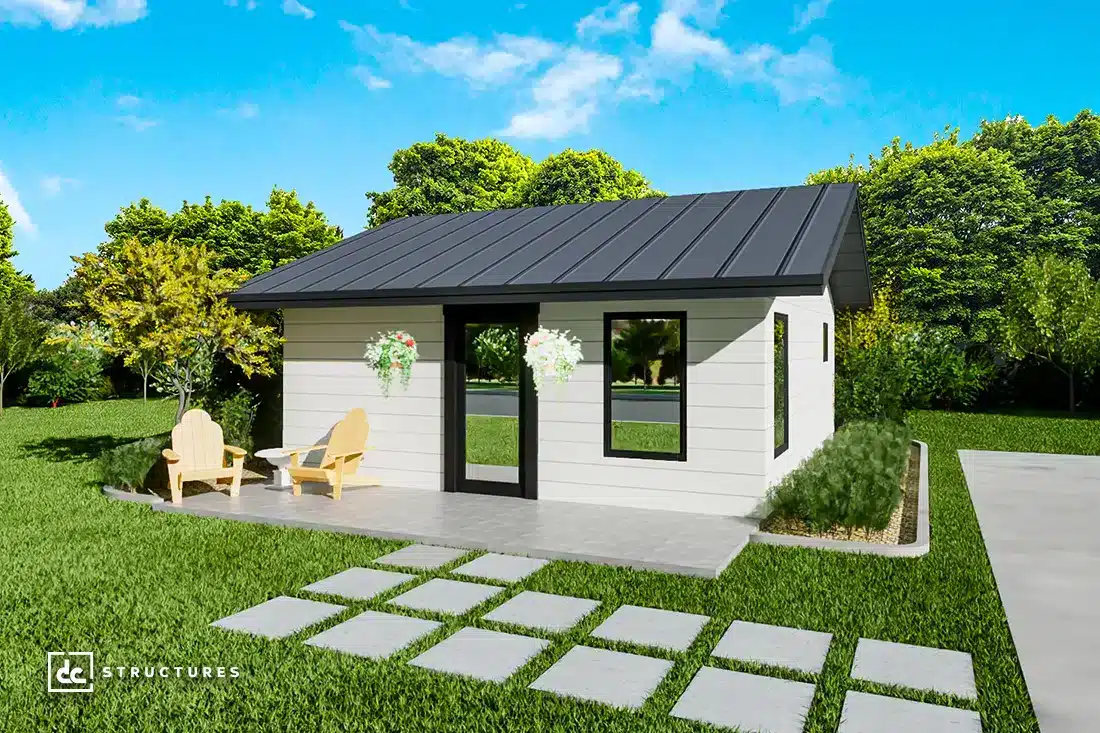
Our ADU Kits
Our prefab ADU kits provide a faster, more efficient way to build a backyard house: Each kit is designed to be custom-tailored to the local climates, zoning requirements, and lifestyle needs in Louisiana, and through our customizable models you can tailor everything from layout to bedrooms to finishes, with full plan details, flexible options, and dedicated services for every model. Depending on your preferences, you can prioritize an open-plan kitchen, additional storage, or a private bathroom setup that fits your property and local zoning requirements while supporting comfortable, long-term living.
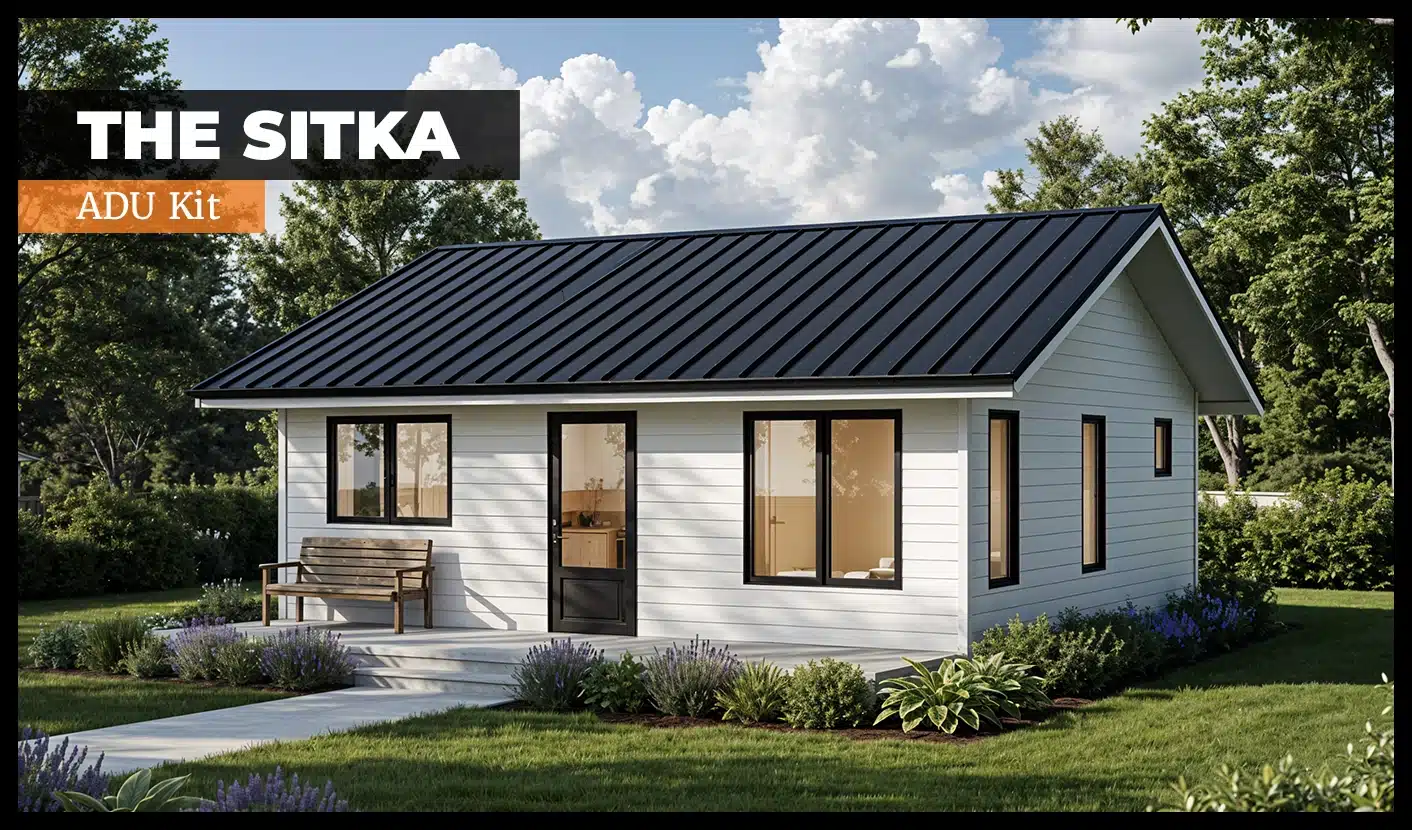
Sitka
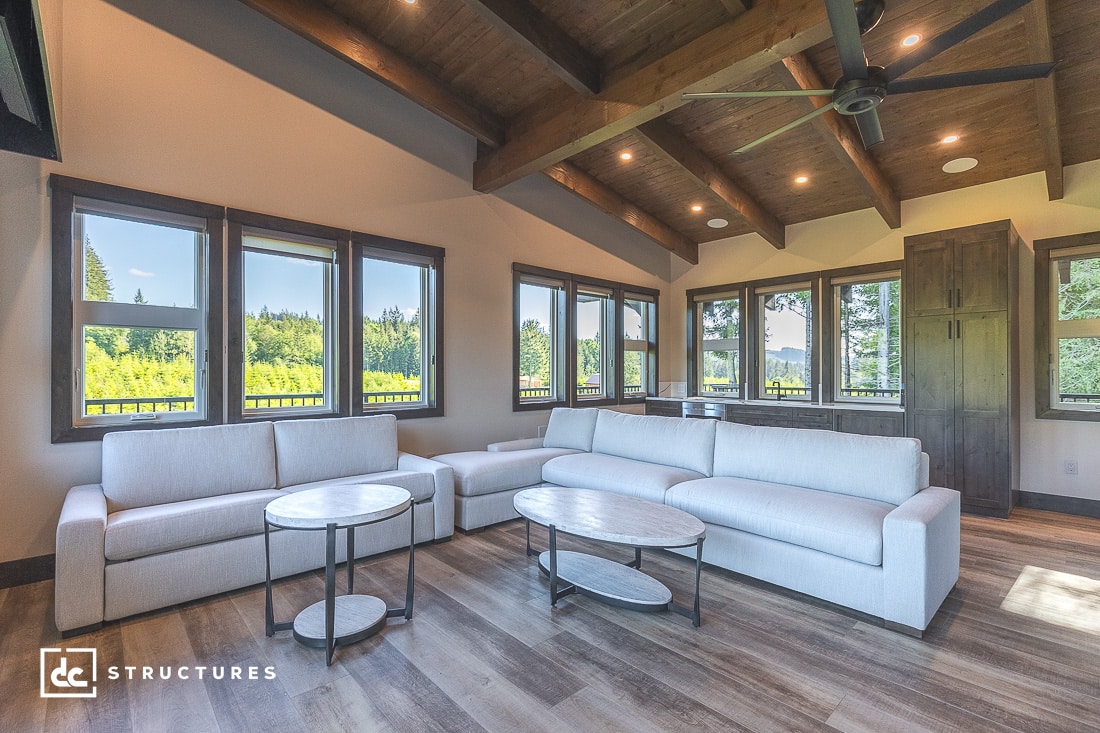
SitkaCrafted for backyard use, whether as a guest suite, artist studio, or creative workspace, our Sitka ADU Kit offers limitless flexibility within a compact framework.
Average Cost to Build an ADU in Louisiana
An accessory dwelling unit in Louisiana will typically land somewhere around $150,000 to $300,000, or $100 to $300+ per square foot for most projects depending on factors such as location, complexity, size, and site conditions.
Because of this wide range, it’s best to request an estimate based on your specific property details and build options. Other variables like site access, foundation work, utility connections, and whether you’re building detached new construction versus converting existing space (like a garage) can significantly change the final price, along with finish selections such as a full kitchen, added bathroom, bedroom count, storage, and the overall layout and kit model you choose.
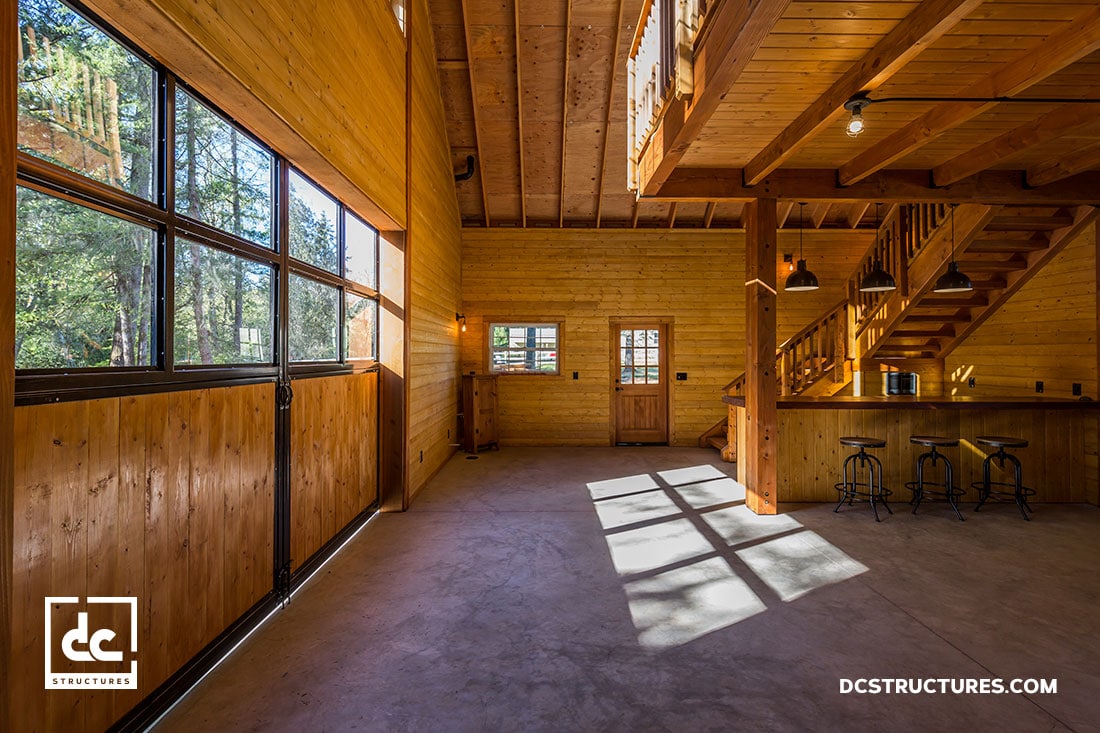

Louisiana ADUs
Permitting, Zoning & ADU Regulations in Louisiana
We have an in-house architectural design team that will meet the unique requirements of your city’s regulations and zoning requirements, with permitting services that help you navigate local permits and review timelines.
Unlike some states with a single statewide ADU statute, Louisiana does not have one uniform accessory dwelling unit law that overrides local zoning, and instead, accessory dwelling unit rules are largely shaped at the city or parish level. In New Orleans, for example, the City Planning Commission has adopted a formal definition and use standards for “accessory dwelling unit” with the intent of increasing appropriately scaled housing supply citywide and allowing new ADUs. Other jurisdictions, like Baton Rouge and Lafayette, regulate accessory structures and small homes through their unified development codes and ADU-specific guidance, which outline where accessory units are allowed and under what conditions.
ADU Incentives, Grants & Financing in Louisiana
Louisiana doesn’t have a widely advertised, statewide homeowner accessory dwelling unit grant or fee-waiver program, but broader housing-support tools can indirectly help some projects. The Louisiana Housing Corporation offers multiple homeownership and down payment assistance programs aimed at making safe, affordable housing more attainable for buyers statewide, while rural homeowners may be able to use the USDA’s Single Family Housing Repair Loans & Grants to repair, improve, or modernize their homes—sometimes in coordination with a larger property upgrade that includes an ADU.
Best Cities & Counties to Build an ADU in Louisiana

New Orleans
New Orleans regulates accessory dwelling units and other backyard structures through its Comprehensive Zoning Ordinance, which sets zoning districts, permitted uses, height limits, setbacks, and on-site development standards for accessory structures.
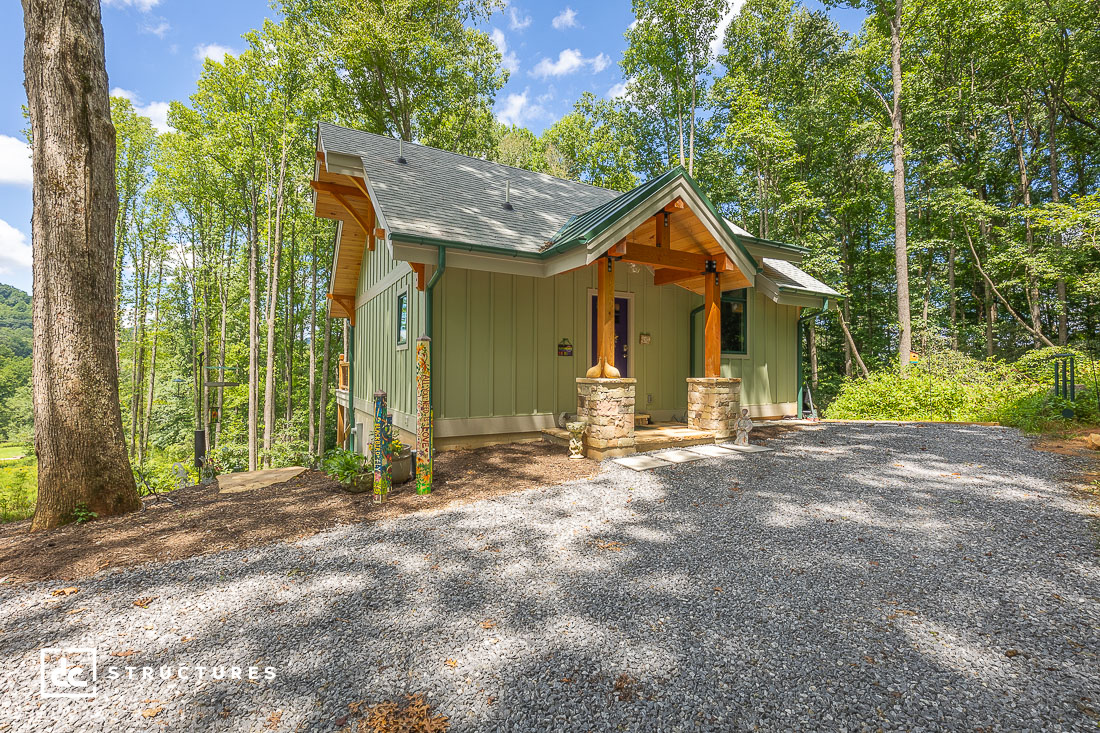
Baton Rouge
In Baton Rouge, small secondary units and other accessory structures are governed by the city–parish Unified Development Code, which lays out zoning districts, use regulations, dimensional standards, and permitting requirements, all key details for homeowners evaluating an ADU build.
Lafayette
Lafayette has updated its codes to expand where accessory dwelling units are allowed citywide and to refine related standards.
DC Structures
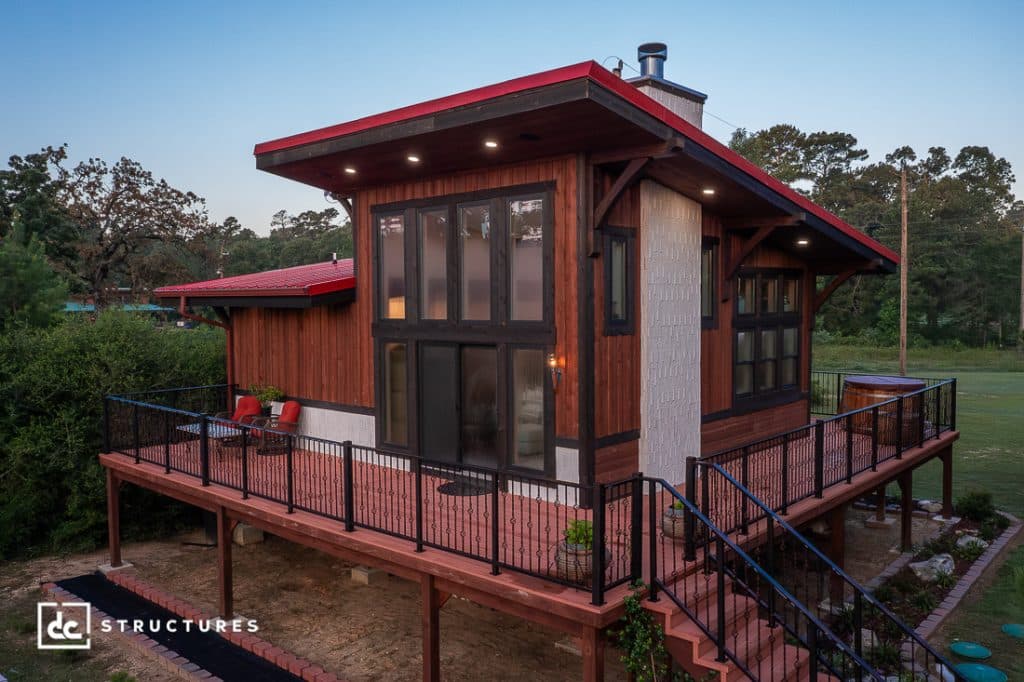
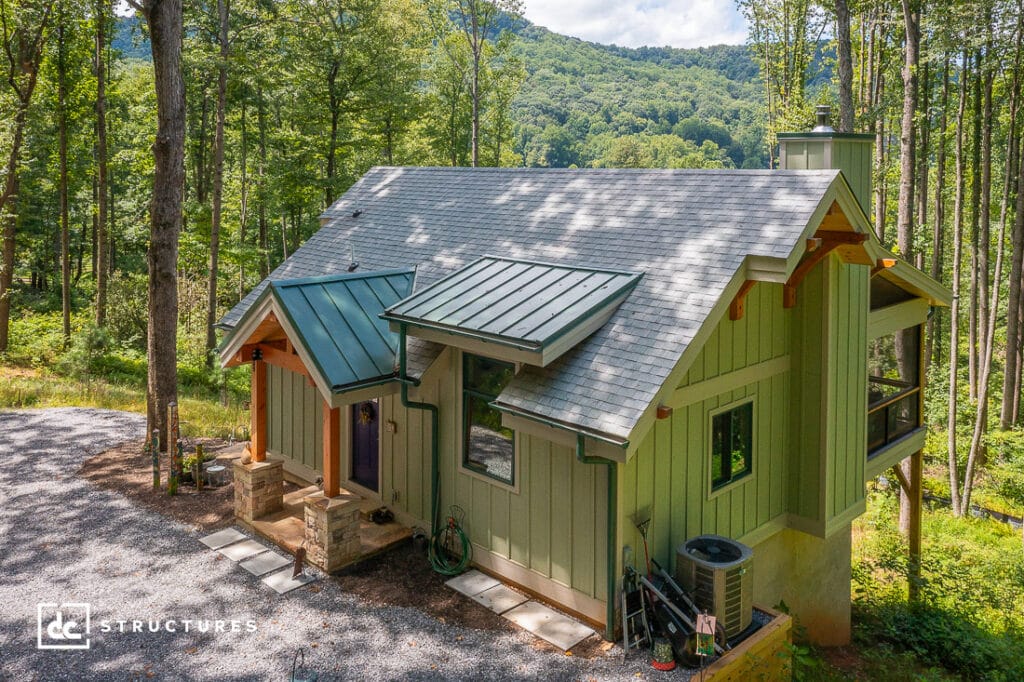
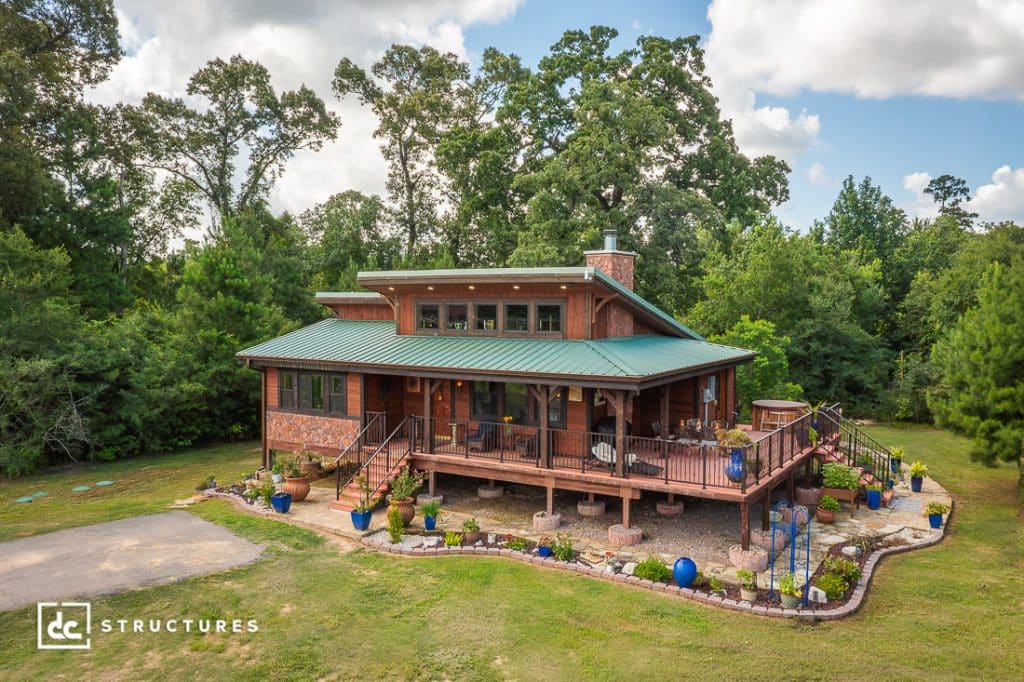
ADU Project Gallery
How ADUs Can Boost Property Value in Louisiana
Nearly half of renters are still considered cost-burdened—spending more than 30% of their income on housing—especially in cities like New Orleans, making accessory dwelling units an appealing way for homeowners to add flexible backyard living space and potential rental income. Beyond monthly income, an ADU or small guest house can help offset rising ownership costs and support long-term property value in the Louisiana market.


Start Your Louisiana ADU Journey
Ready to bring your ADU vision to life in Louisiana? Our team supports you with design, engineering, and prefab delivery while helping you plan around local zoning and permitting requirements that are set by cities and parishes under Louisiana’s land use and zoning framework.
With expert guidance, clear project details, and help choosing the best ADU model and options for your lot, you can create a backyard home that fits your goals for practicality, efficiency, and compact living, all while staying aligned with local residential zoning standards.