
Everyone has a unique vision for their perfect home life, but for us green thumbs, that vision almost always includes a beautiful backyard space filled with thriving plants, trees, and happy pollinators. Having a place where we can sit in nature, grow our favorite fruits and veggies, and care for the creatures that sustain our natural habitats is a dream come true—that is, at least, until the upkeep takes over.
Thankfully, nature gives us plenty of ways to work smarter when it comes to designing self-sustaining gardens that bloom on their own. From planting native species that thrive with little effort to capturing rainwater and composting to enrich the soil, here are a few ways to create a self-sufficient outdoor space that benefits you, your garden, and the planet.
Implement a Rainwater Harvesting System
Capturing rainfall is one of the simplest and most rewarding ways to provide your garden with a steady supply of clean, chlorine-free hydration. By collecting roof runoff in barrels or storage tanks, you can turn every rainy day into an opportunity to nourish your plants naturally, while reducing utility costs and conserving a vital resource.
A basic setup, including a downspout diverter and hose, is all you need to get started. For even greater efficiency, we recommend connecting your rain barrel or tank to a soaker hose for hands-free, evenly distributed watering that keeps roots happy and soil thriving.
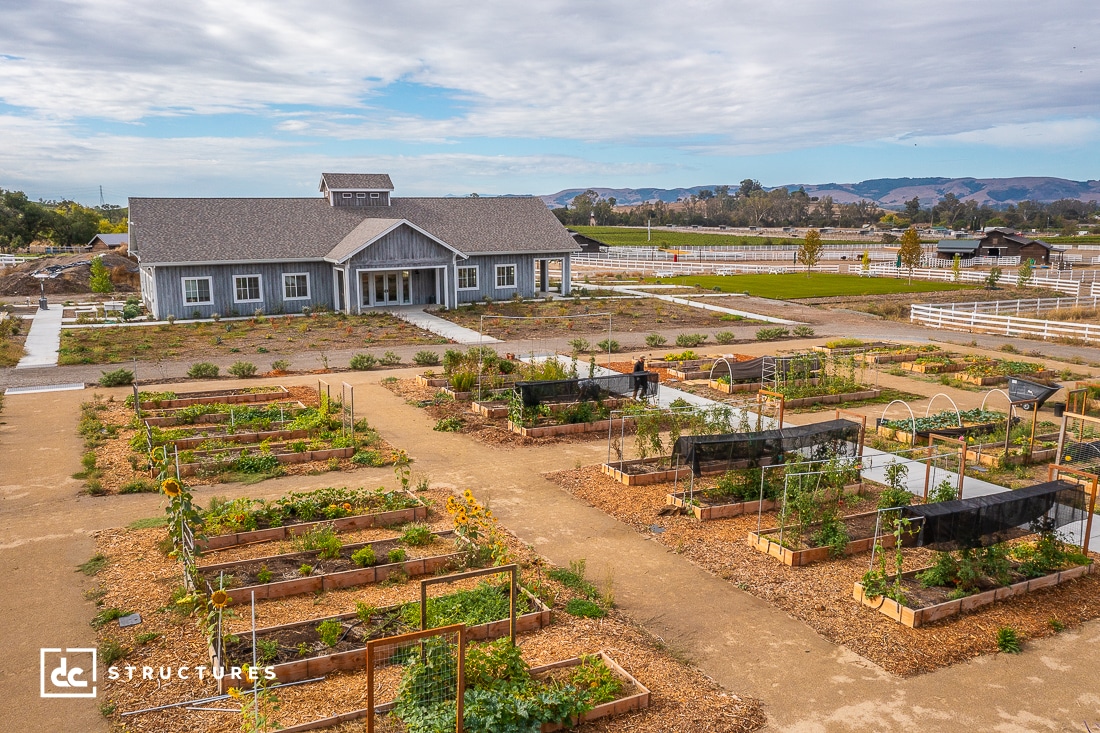
If you’re looking to go a step further, or if your yard has slopes or drainage issues, consider incorporating swales—shallow trenches that redirect water—or dry wells to capture and slowly absorb excess rainwater. These passive systems work in conjunction with your rain barrels to deliver water exactly where your garden needs it.
Compost Kitchen and Yard Waste
Tempted to toss food scraps and yard clippings into the trash? Consider turning them into nutrient-rich compost that feeds your garden. Banana peels, coffee grounds, grass clippings, and fallen leaves can all be transformed into a natural soil enhancer that boosts fertility, reduces erosion, and helps your plants flourish.
Composting is one of the easiest ways to reduce household waste while enriching your soil with organic matter. By making it part of your regular garden routine, you’ll create a sustainable and waste-free system that supports healthier plants, retains moisture, and reduces your reliance on synthetic fertilizers.
Plant Native and Drought-Resistant Species
When it comes to building a low-maintenance, high-impact garden, native plants are some of the best allies you can have. Naturally adapted to your region’s soil, weather, and water conditions, these plants thrive with little intervention, making them an ideal foundation for any self-sustaining space.
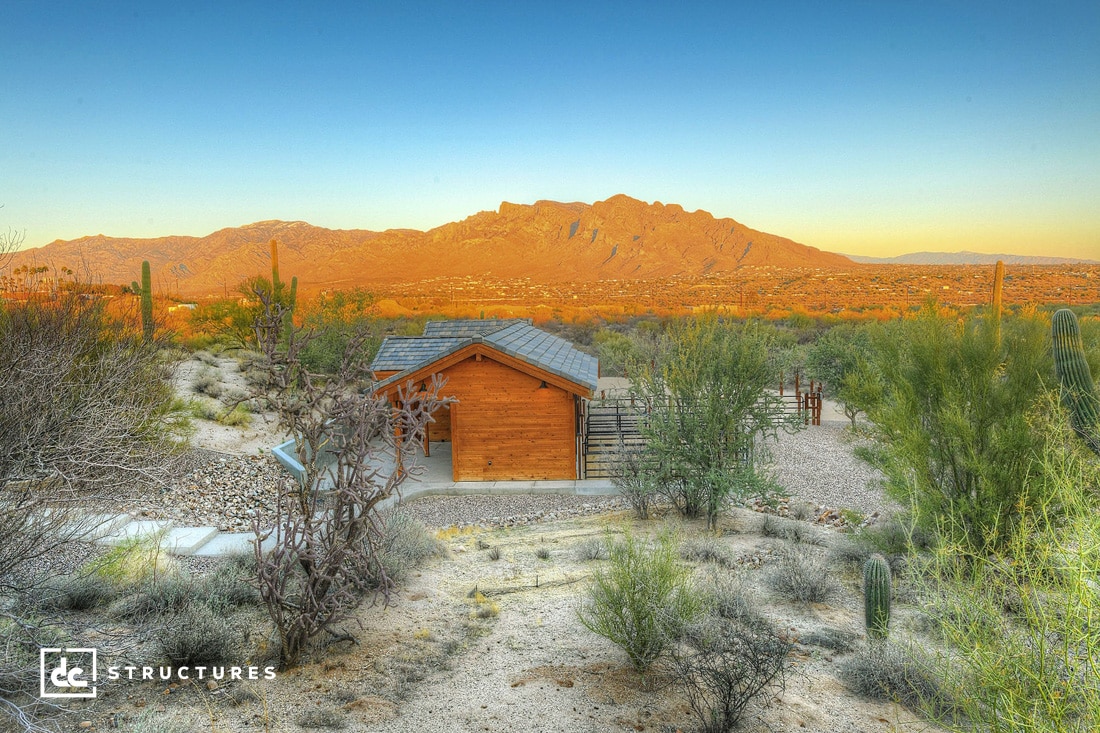
Not only do native and drought-resistant species conserve water and reduce the need for pesticides, but they also create vital habitats for pollinators, birds, and other beneficial wildlife. By choosing plants that are already at home in your climate, you’ll spend less time maintaining your garden and more time enjoying it—all while doing your part to preserve biodiversity and protect natural resources.
Use Sheet Mulching to Build Healthy Soil
If you’re starting a garden from scratch, sheet mulching is one of the easiest and most sustainable ways to prep a new garden bed. This layered method uses everyday materials like cardboard, dried leaves, compost, and soil to smother grass, build up organic matter, and create rich, plant-ready ground.
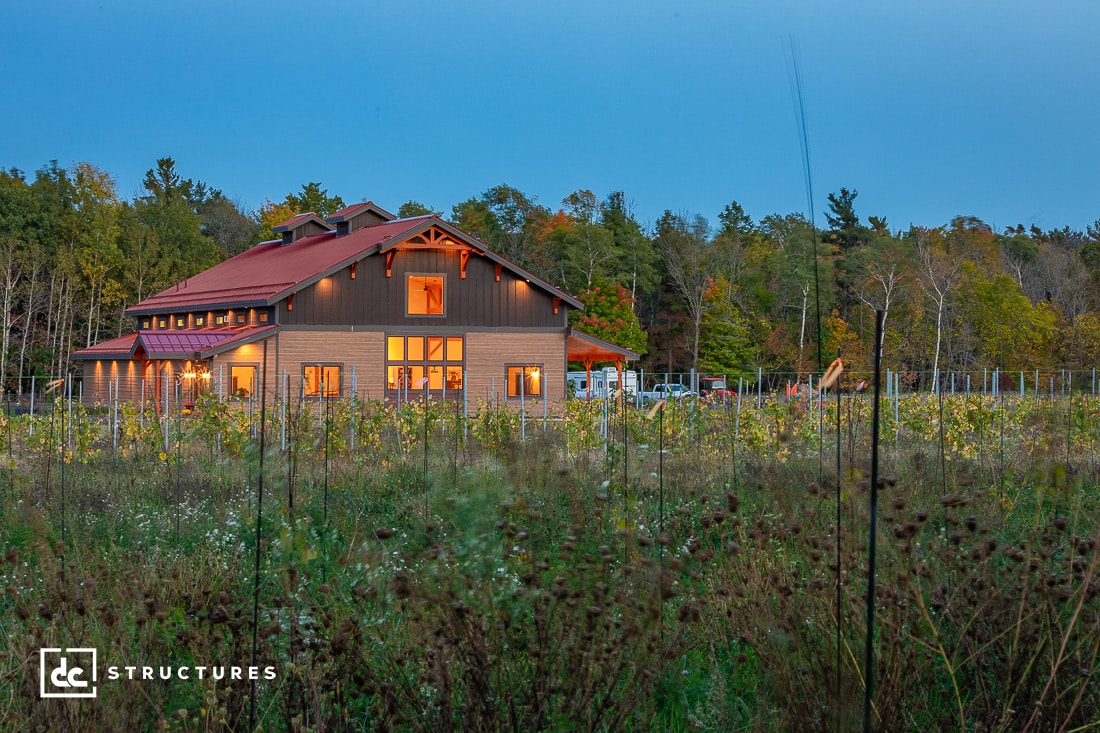
Rather than stripping away turf with a shovel or rototiller, sheet mulching works with nature to break down grass and weeds over time while preserving the fertile topsoil layer beneath. It takes some patience—typically one to two months—but the soft, nutrient-rich soil you get by the end makes the perfect foundation for growing everything from flowers to veggies.
Incorporate Natural Pest Control Methods
Lastly, keeping pests at bay doesn’t have to mean harsh chemicals or constant intervention. With the right mix of companion plants, beneficial insects, and smart garden design, you can protect your greenery the natural way.
Plants like marigolds, basil, lavender, and nasturtiums can deter common pests such as aphids, mosquitoes, and beetles, while adding beauty and fragrance to your space. Meanwhile, attracting helpful predators like ladybugs and birds can keep harmful insects in check without disrupting the environment in which your plants grow.
Bringing It All Together
A self-sufficient garden doesn’t just save time and resources—it deepens your connection to nature and allows it to thrive right outside your door. With a few thoughtful additions or changes, you can cultivate a greener, more resilient backyard that’s easier to care for and all-around beneficial for the environment.