It’s been a full year since Los Angeles experienced two of the most destructive wildfires in California history—the Palisades Fire and the Eaton Fire.
For Angelenos, the devastation is still visceral throughout the region. Empty lots, cracked foundations, and clusters of construction vehicles now line stretches of what was once a serene coastal drive in Malibu. In Altadena, it’s a similar scene, with hundreds of flattened properties that once contained beautiful family homes and businesses, some dating back a century.
As Los Angeles slowly recovers, homeowners and business owners in hard-hit areas are beginning to clear debris, test soil for toxicity, and prepare for new construction. Alongside these efforts, one question continues to surface: Is prefab construction a better alternative to traditional stick-built homes when rebuilding after a wildfire?
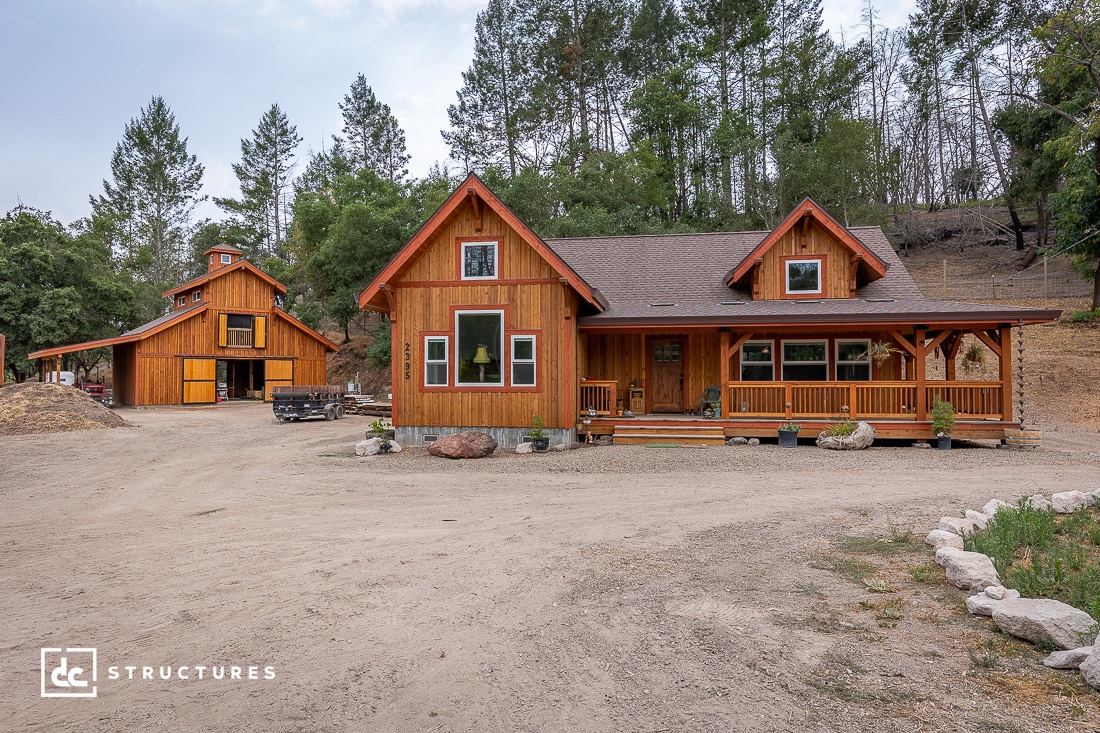
As a fast, cost-effective, and forward-thinking solution, prefab construction can certainly be a powerful tool for wildfire rebuilding. But its success depends far less on speed or novelty than on how it’s implemented—and who is responsible for executing it. Understanding the do’s and don’ts of rebuilding with prefab is essential before committing to a path that will shape not just a structure, but long-term recovery for you, your family, and your community.
At DC Structures, we’ve helped numerous wildfire victims rebuild after losing their homes and businesses. It’s not a process anyone should have to navigate alone, and we greatly value supporting our clients through both the emotional and logistical challenges of rebuilding. With a wide range of pre-engineered building kits, customizable designs, and fire-resistant material options, we aim to make fire rebuilding as thoughtful and forward-looking as possible. Before getting started with us—or any prefab provider for that matter—here’s what we recommend homeowners and business owners consider when designing and constructing a new structure after a wildfire.
Do: Invest in Fire-Safe Materials
When rebuilding after a wildfire, choosing fire-resistant materials isn’t just a recommendation—it’s a necessity. While lower-cost or more readily available options may feel tempting in the short term, they often come at the expense of long-term safety and resilience. Consider that the right materials can significantly reduce ignition risk, slow fire spread, and improve a structure’s ability to withstand future wildfire events.
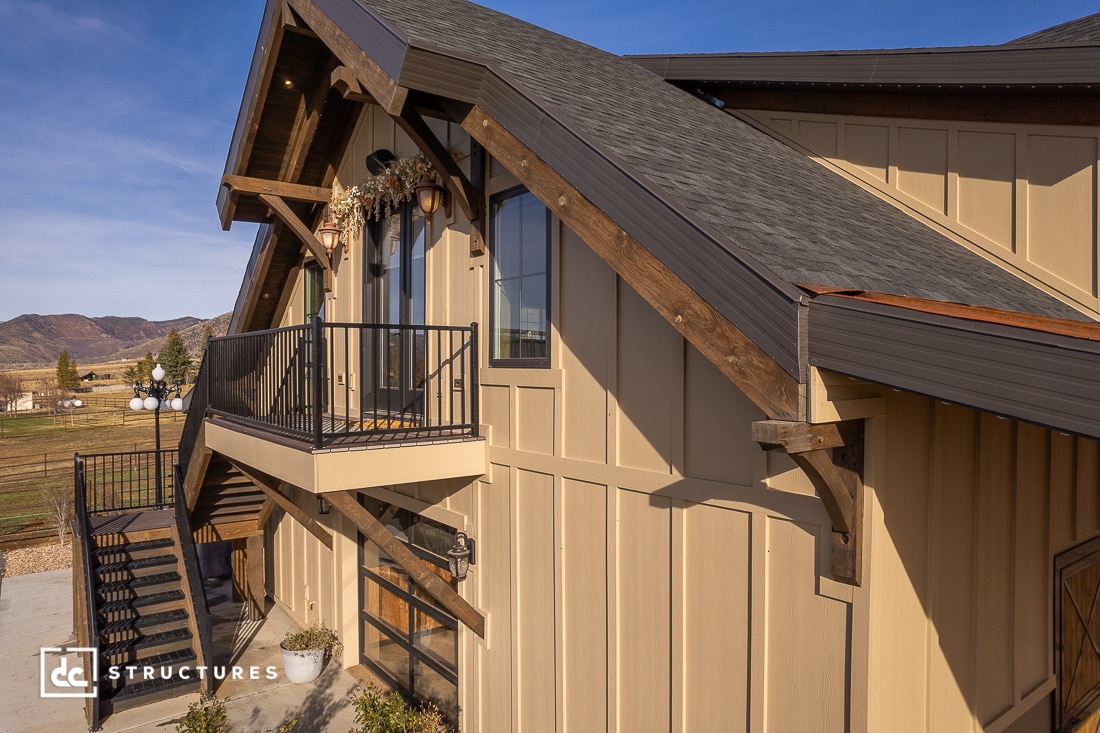
At DC Structures, our goal is to help homeowners and business owners rebuild spaces that remain resilient, beautiful, and sustainable throughout the years. That means prioritizing materials and design strategies that support fire resistance, energy efficiency, and long-term performance.
For those looking for a deeper dive, we’ve put together a comprehensive guide outlining fire-safe materials we offer, along with additional protective measures to consider during the design process!
Don’t: Use Flammable Materials for Siding & Roofing
While framing plays an important structural role, a building’s exterior materials are often its most critical line of defense during a wildfire. Siding, roofing, vents, and sealants are especially vulnerable to flying embers—the leading cause of wildfire-related structure loss, making it crucial to choose ignition-resistant exterior materials for your home or business.
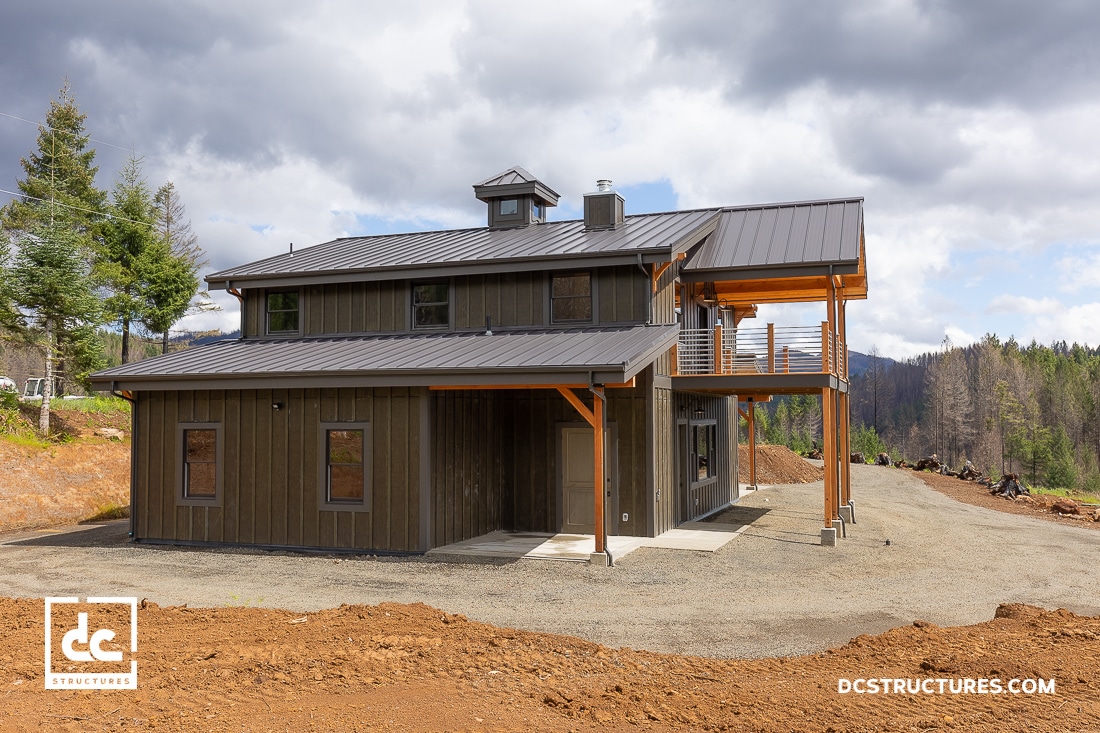
Materials such as stucco, fiber cement, and metal offer strong fire-resistant performance and are well-suited for rebuilds in wildfire-prone regions. In contrast, wood shakes, vinyl siding, and certain composite products are far more susceptible to ignition and should be avoided when possible. Even when fire-safe materials come at a higher upfront cost, they are a far wiser investment than the financial and emotional toll of rebuilding again.
Do: Choose an Experienced Prefab Company & Contractor
Rebuilding after a wildfire is not a standard construction project; it comes with unique regulatory, environmental, and emotional challenges that require an experienced team to navigate successfully. Working with qualified professionals, including structural engineers, helps ensure your plans are code-compliant and designed with wildfire resilience in mind from the jump.
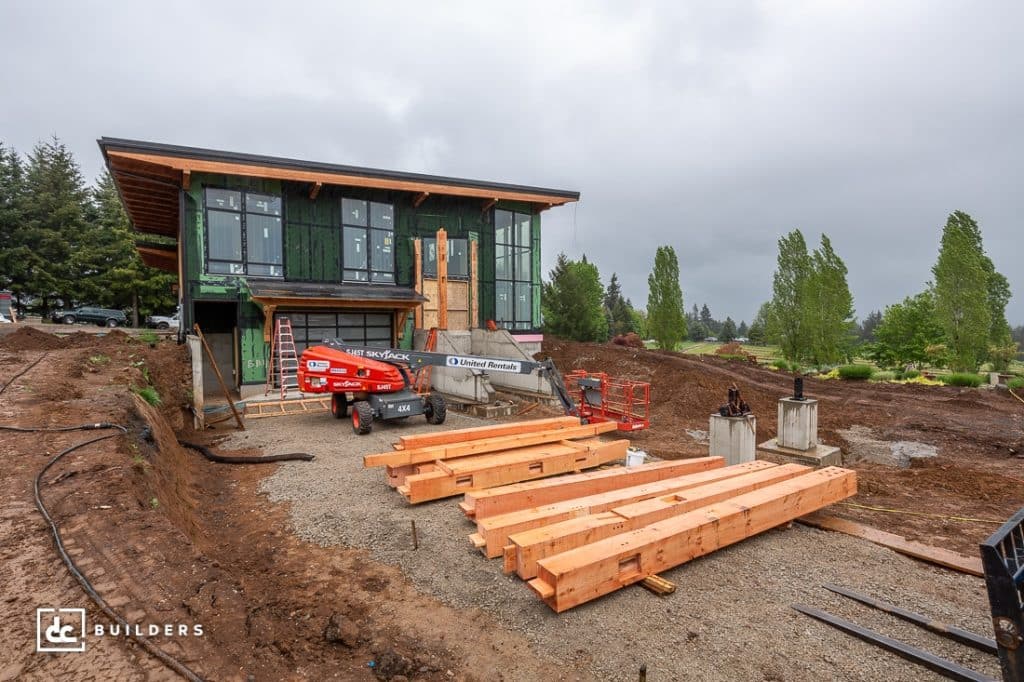 An experienced prefab company can also play a critical coordinating role, helping homeowners understand regional fire regulations, anticipate permitting requirements, and avoid costly missteps. Just as importantly, they can connect you with trusted, vetted contractors in your region who are familiar with fire-rebuild projects and local building conditions—experience that can make a meaningful difference in both timelines and outcomes.
Don’t: Rush the Contractor and Designer Vetting Process
In the urgency to rebuild, it’s understandable to gravitate toward the quickest or most readily available option. However, choosing a contractor or designer without proper vetting can lead to delays, compliance issues, or costly revisions, especially in wildfire-affected areas where rebuilding requirements are often more complex.
Rather than rushing the process, take time to research and confirm credentials. Talk with friends, neighbors, or community members who have already rebuilt, verify licenses through reputable contractor databases, and attend local rebuilding workshops, conferences, or community events when possible. These steps can help you identify construction professionals who are not only qualified but truly experienced in wildfire recovery and long-term resilience.
Do: Create a Defensible Outdoor Space
Your outdoor space is your first line of defense during a wildfire, making thoughtful landscape and site planning an essential part of the rebuilding process. While fire-resistant materials and protective building features are critical, they work best when the surrounding property is designed to help slow or contain wildfire spread.
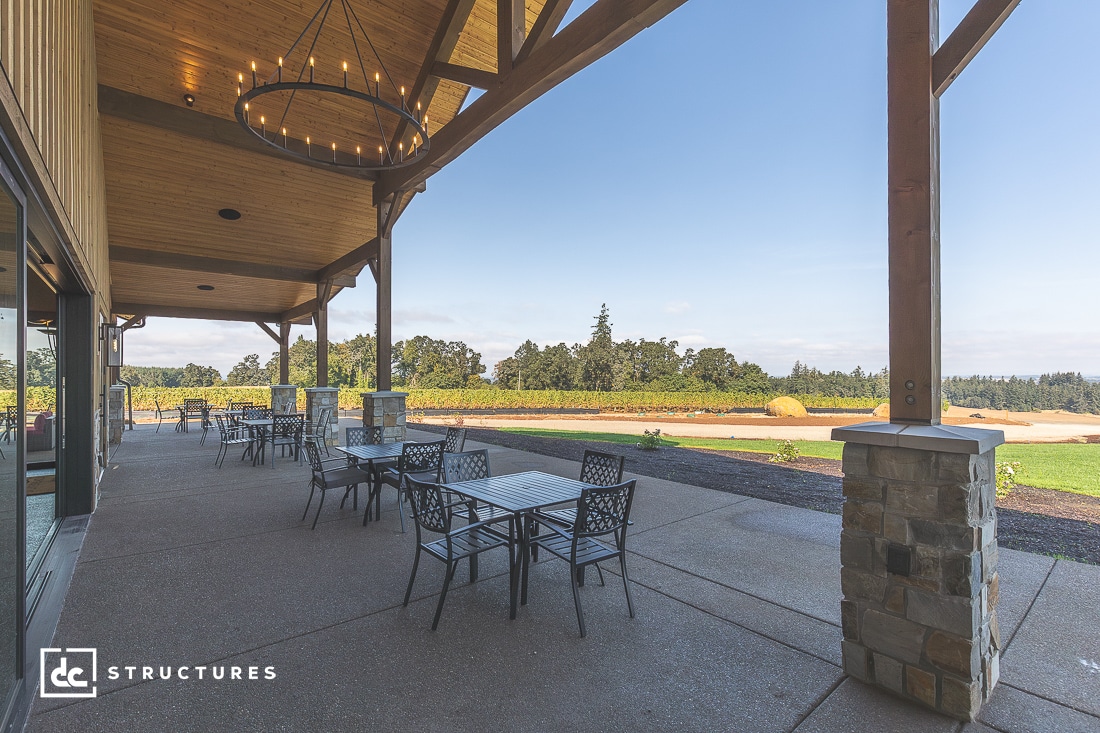 As a general guideline, the first five feet around your home or structure should be kept clear of flammable materials such as wood mulch, patio furniture, or dry vegetation. This immediate zone is especially vulnerable to ignition from flying embers.
Beyond that, the area extending from five to 30 feet typically includes gardens, walkways, or outdoor living areas, making strategic plant selection, spacing, and material choices particularly important. The outermost zone—extending roughly 30 to 100 feet from the structure—serves as the final buffer, where routine maintenance, non-combustible fencing, and thoughtful spacing between vegetation and structures can help reduce fire intensity as it approaches your property.
Don’t: Neglect Plant Care and Irrigation
While ignition-resistant plant species are often recommended for wildfire-prone areas, plant selection alone isn’t enough. In many cases, a flammable plant that is well-maintained and properly irrigated poses less risk than a fire-resistant plant that is dry, overgrown, or neglected. Ongoing care is just as important as what you plant.
Thoughtful landscaping, regular pruning, and consistent irrigation all play a key role in maintaining a defensible outdoor space that protects your home while still allowing your landscape to thrive. For homeowners looking to simplify upkeep, systems like drip irrigation or timed sprinklers can help maintain soil moisture and plant health with minimal day-to-day effort, supporting both fire resilience and long-term sustainability.
Do: Research Wildfire Recovery Grants and Assistance Programs
As you begin planning your rebuilding project, it’s worth taking time to explore the financial assistance and recovery programs that may be available to you. In many cases, local, state, and nonprofit organizations offer grants or direct aid to help offset rebuilding costs and support long-term recovery. For example, Los Angeles County has established relief funds to assist homeowners and business owners affected by recent wildfires, while organizations like the Red Cross offer grant programs focused on housing stability, mental health support, and community recovery.
These programs can help ease some of the financial pressure that often accompanies rebuilding, allowing homeowners to make safer, more resilient choices without bearing the full burden alone. Availability and eligibility can change, so researching early—and revisiting options throughout the process—can make a meaningful difference!
Don’t: Carry the Load of Rebuilding Alone
Rebuilding after a wildfire can be overwhelming—financially, logistically, and emotionally. While it may feel isolating at times, the reality is that wildfire recovery is a shared experience across communities, regions, and support networks. Seeking guidance, leaning on available resources, and accepting help when it’s offered are all part of rebuilding sustainably.
If you choose to rebuild with DC Structures, know that you’ll have a dedicated partner throughout the entire process. From early design conversations through construction, move-in, and beyond, our team is committed to providing steady guidance and support. That way, rebuilding never feels like something you have to navigate on your own; it’s something you can face head-on with a compassionate, driven, and reputable team behind you every step of the way.
Final Thoughts
Rebuilding after a wildfire is never simple, but with the right information, materials, and support, it can be a meaningful step toward long-term resilience and renewal. Taking a thoughtful, informed approach—one decision at a time—helps ensure that what you rebuild is not only safe but enduring.
If you’d like to learn more about how we support wildfire rebuilding projects, we invite you to explore our Fire Rebuilding Services page. And for those seriously considering prefab as part of their recovery, our team is always available to answer questions, discuss project needs, or provide guidance, whether that’s through a phone call at (888) 975-2057 or by requesting a free quote.