DC Structures
Why ADUs Are Booming in Oklahoma
It’s no secret: Oklahoma is dealing with rising home prices and a relatively tight housing inventory, and that pressure is reshaping what homeowners can realistically build and afford across the state. As of October 2025, the median home sale price in Oklahoma was about $256,900 (up year-over-year), reflecting continued price growth in a market that already challenges many buyers—especially in high-demand areas around Oklahoma City and Tulsa.
Built for longevity and designed with intention, our Accessory Dwelling Unit (ADU) pre-engineered kits offer a practical way to expand a property’s potential without changing the character of a neighborhood or sacrificing main-home living space. Our ADU kits provide a faster, more organized route to high-quality construction, especially helpful in a state like Oklahoma that’s generally less ADU-friendly, where accessory dwelling unit zoning and permitting are handled locally and can vary widely by city. Even in places that are becoming more supportive, homeowners still need to plan carefully around local requirements.
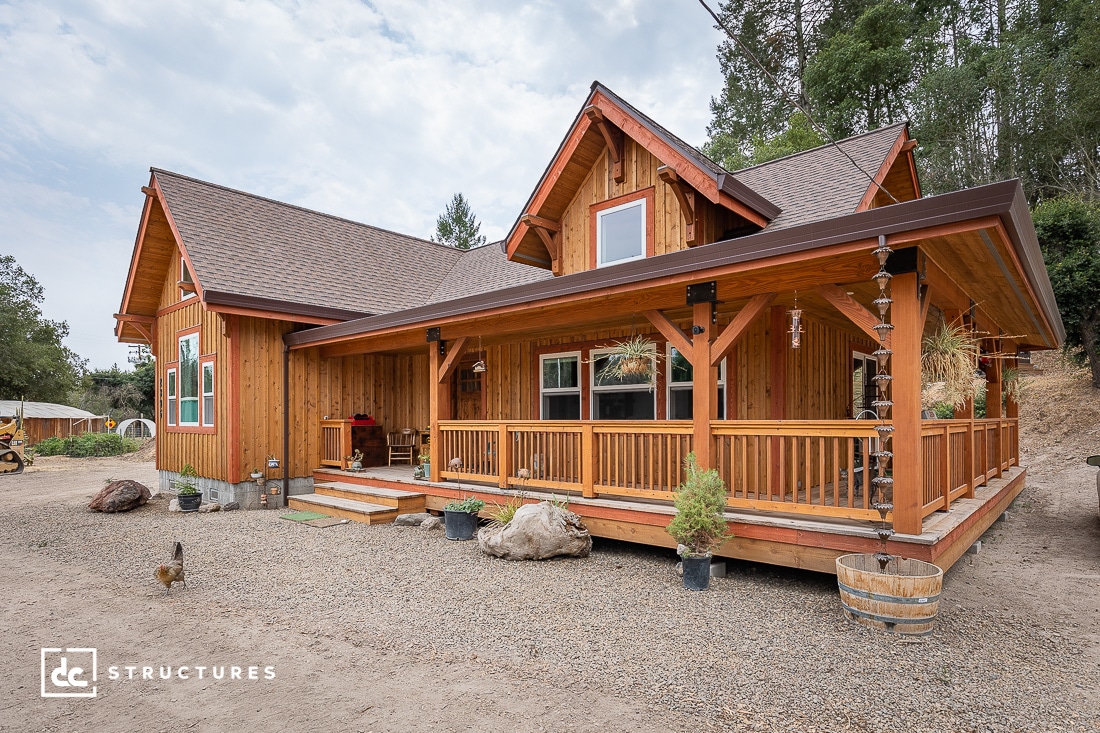
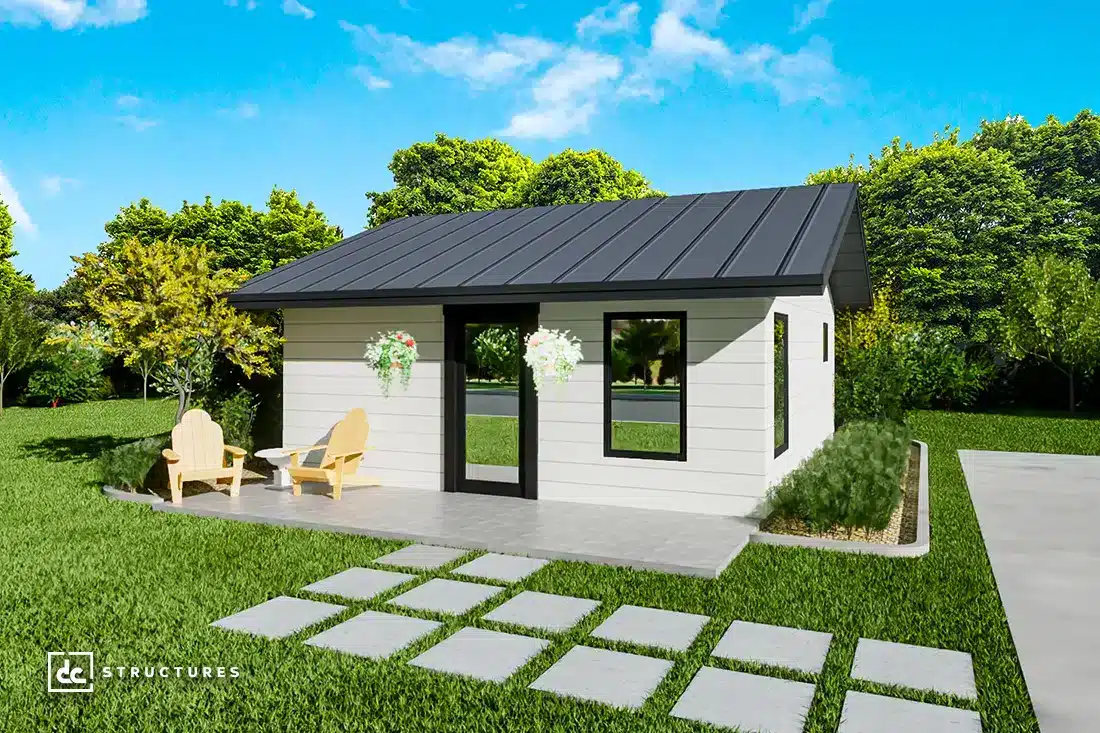
Our ADU Kits
Our pre-engineered ADU kits provide a faster, more efficient way to build a backyard house in Oklahoma: each kit is designed to be custom-tailored to local climate conditions, zoning requirements, and lifestyle needs. Oklahoma’s climate can shift across the state with long, hot summers and shorter winters, so climate-smart planning matters from the start.
Through our customizable accessory dwelling unit models, you can tailor everything from layout to bedrooms to finishes, with full plan details, flexible options, and dedicated services for every model—especially helpful in a state like Oklahoma where local zoning can be a patchwork and requirements can vary by city. Depending on your priorities, you can focus on an open-concept living area, additional storage, or even a private primary bedroom that still aligns with your property constraints and local requirements.
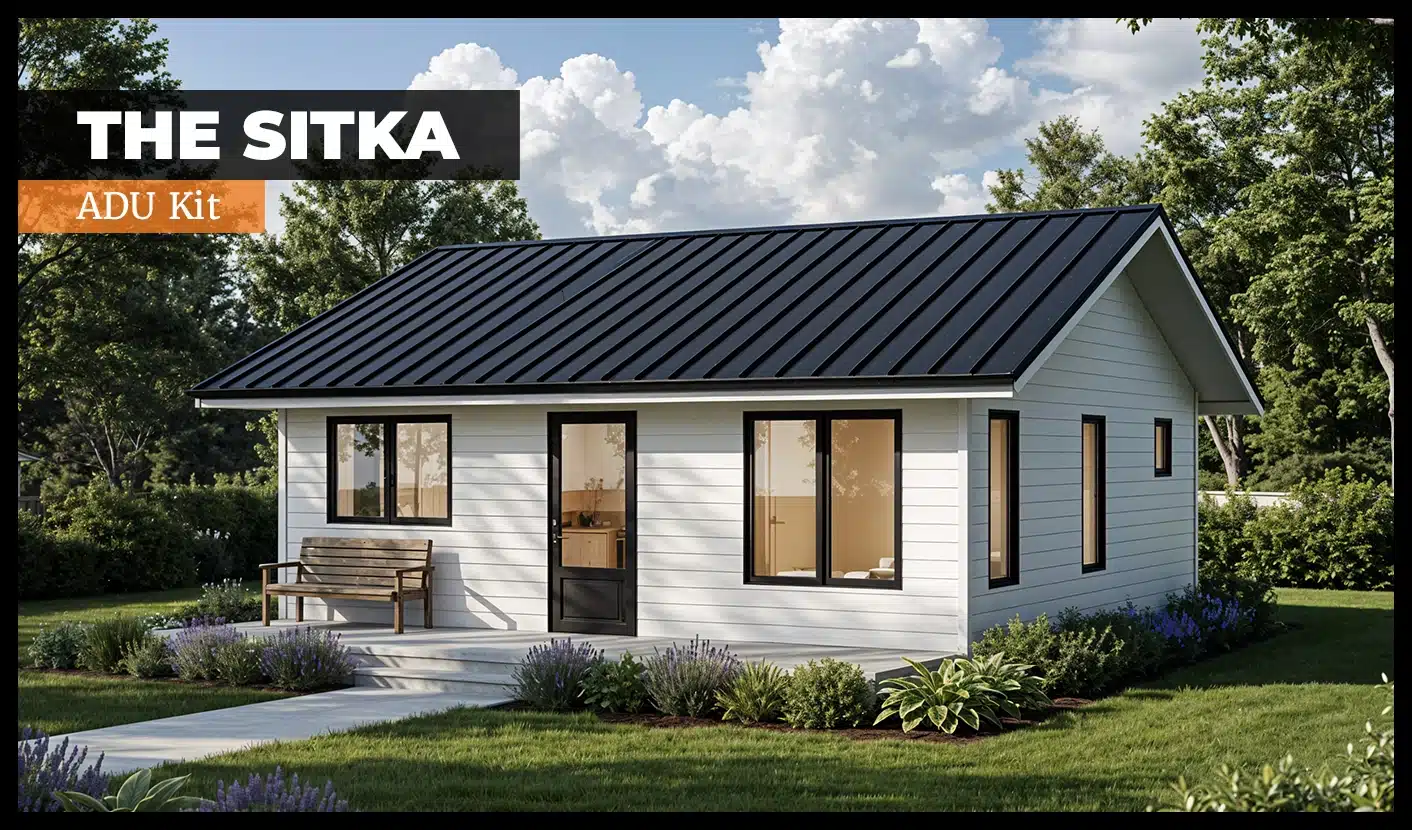
Sitka
SitkaCrafted for backyard use, whether as a guest suite, artist studio, or creative workspace, our Sitka ADU Kit offers limitless flexibility within a compact framework.
Average Cost to Build an ADU in Oklahoma
An accessory dwelling unit in Oklahoma often lands in a similar range as many accessory dwelling unit projects nationwide: frequently around $150,000 to $350,000 depending on size, scope, and site conditions.
As such, it’s best to request an estimate based on your specific property details and build options. On a per-square-foot basis, 2025 cost breakdowns commonly place ADU construction at roughly $180 to $400 per square foot, with pricing shifting based on design complexity, labor availability, and finish selections. Variables like site access, foundation work, utility connections, and whether you’re building detached new construction versus converting an existing space (such as a garage) can significantly change the final price, along with upgrades like a full kitchen, added bathroom, or expanded storage.


Oklahoma ADUs
Permitting, Zoning & ADU Regulations in Oklahoma
We have an in-house architectural design team that can meet the unique requirements of your city’s zoning and development standards, with permitting services that help you navigate local permits and review timelines throughout the state.
Oklahoma does not have a single statewide accessory dwelling unit law that overrides local zoning ordinances; instead, ADU approval is shaped by municipal zoning codes, which determine whether accessory dwelling units are allowed, what types are permitted (attached, detached, or internal), and what use standards apply. At the state level, construction must comply with Oklahoma’s adopted residential building codes, but zoning permission, dimensional standards, and use regulations remain local decisions.
ADU Incentives, Grants & Financing in Oklahoma
Oklahoma doesn’t have widely advertised, standing statewide homeowner accessory dwelling unit grants or fee waivers, but there are housing-support programs that can indirectly help move ADU-related projects forward—especially when a project overlaps with rehabilitation, safety, or community housing investments. The Oklahoma Housing Finance Agency helps funds across the state through eligible applicants and partners, though it’s not typically as direct homeowner ADU rebates. At the community level, the Community Development Block Grant program is managed in Oklahoma for rural communities, and supports eligible housing-related improvements.
Best Cities & Counties to Build an ADU in Oklahoma
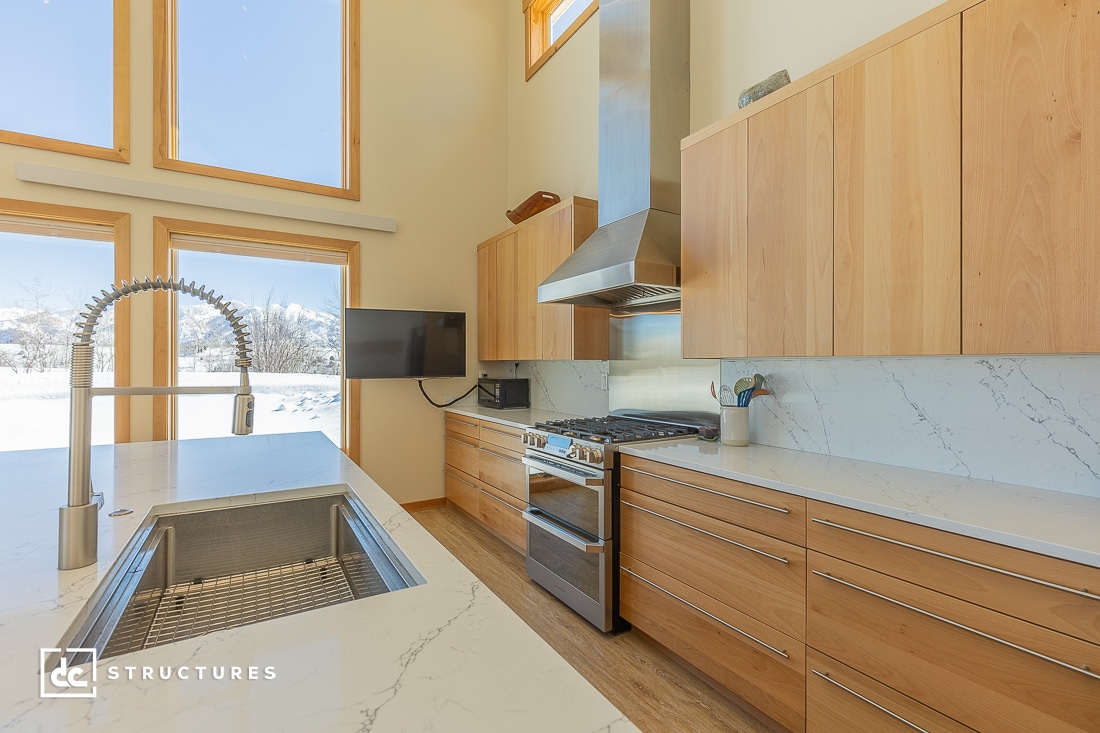
Oklahoma City
The city published a dedicated Accessory Dwellings resource page that includes the adopted accessory dwelling unit ordinance.

Edmond
It provides a straightforward residential ADU permitting page with a practical checklist for building an accessory dwelling unit.
Norman
It has a public ADU FAQ document that explains what an accessory dwelling unit is, how it relates to zoning, and more.
DC Structures
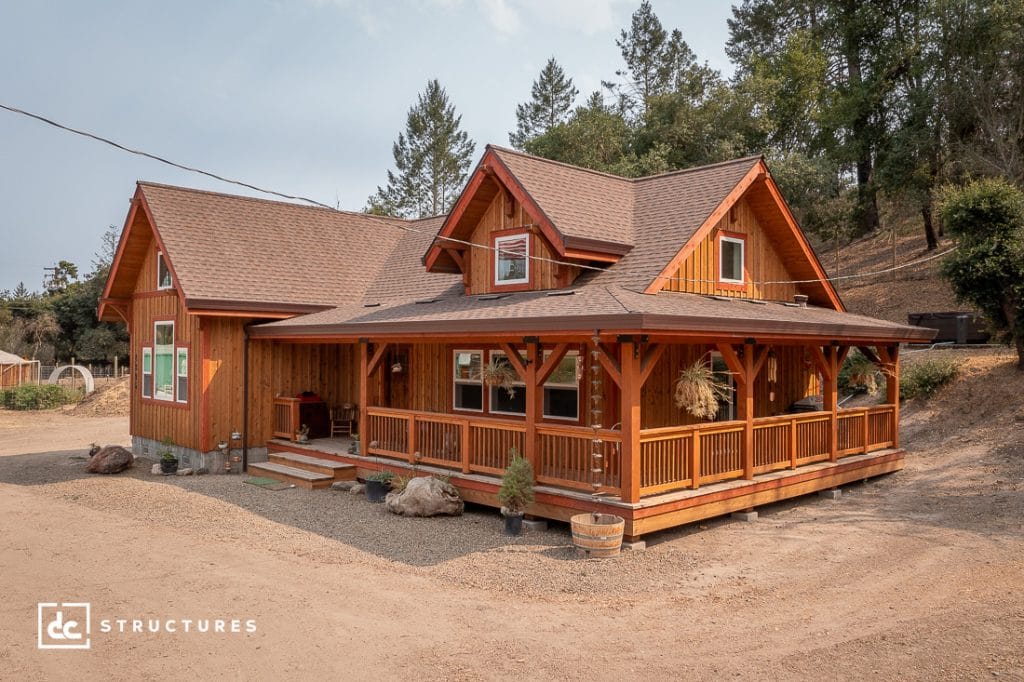
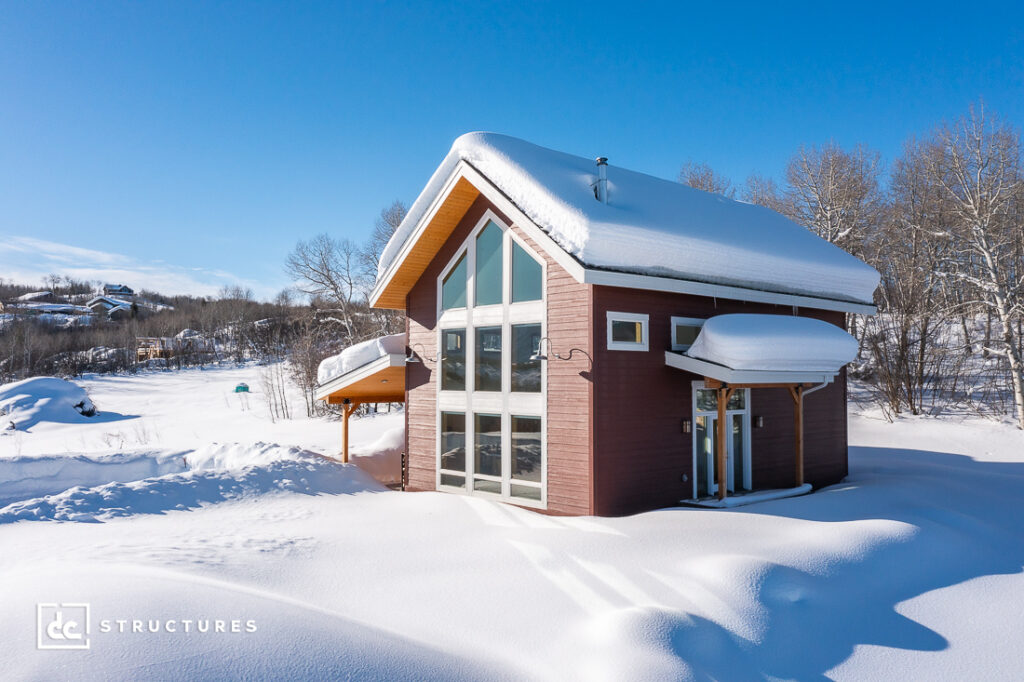
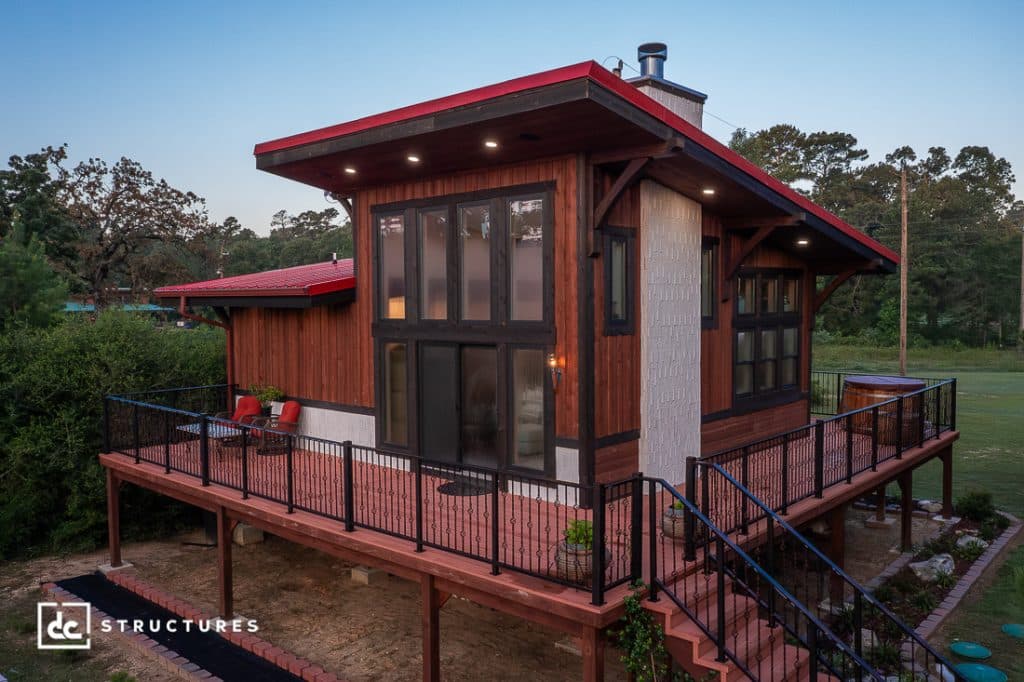
ADU Project Gallery
How ADUs Can Boost Property Value in Oklahoma
In high-demand parts of Oklahoma, especially around major employment centers like Oklahoma City and Tulsa, rental market conditions can make accessory dwelling units attractive for homeowners seeking flexibility and potential rental income. Beyond monthly income, an accessory dwelling unit can help offset housing costs and support long-term property value in a market where home prices have continued to rise. Adding a functional, independent living space, such as a backyard guest house or compact rental unit, can increase a property’s overall appeal and usefulness in a competitive housing market.

Start Your Oklahoma ADU Journey
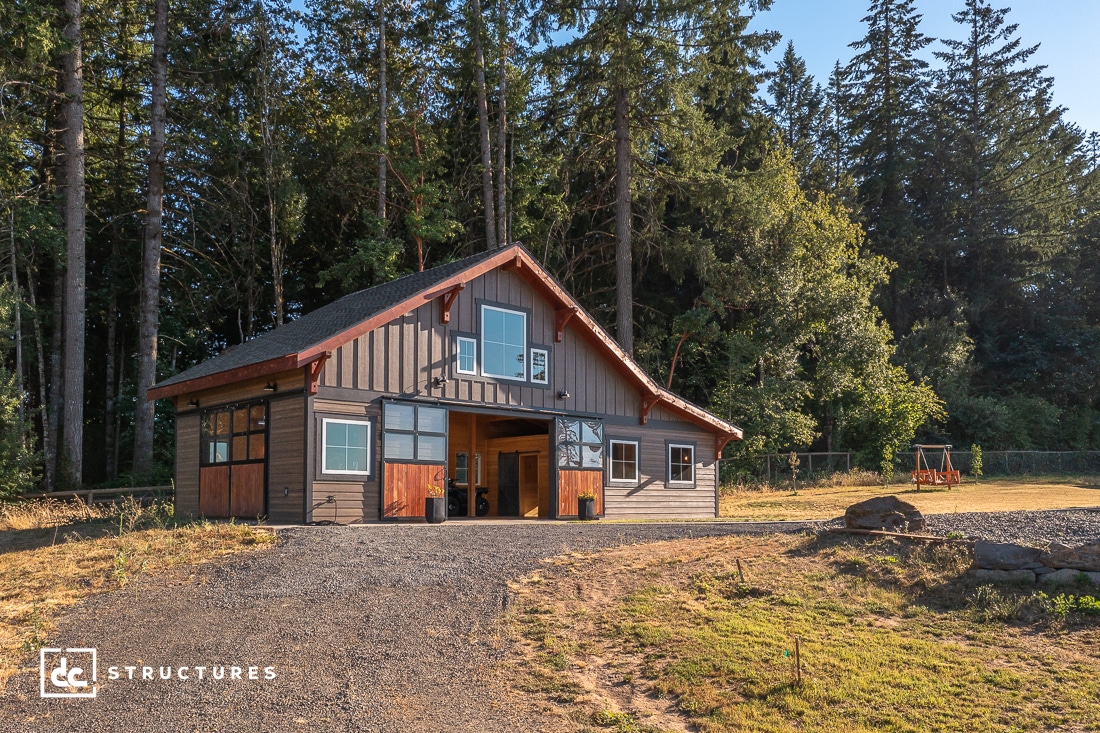
Ready to bring your ADU vision to life in Oklahoma? Our team supports permitting coordination, engineering, and delivery, making it easier to build a prefab backyard or tiny house with confidence, especially in a state where building an accessory dwelling unit can get complicated. With expert services, clear project details, and guidance on the best kit model and options for your ADU, you can move forward knowing your project is aligned with local requirements from the start.