The real estate market is an ever-changing, ever-evolving entity. In 2020, who could have predicted that a global pandemic would spur a historic rise in home sales? And this year, in 2026, we’re already seeing that single-family home sales may not be on the rise after all—it might just be something else entirely.
Multi-family dwellings—particularly duplexes, but also triplexes, fourplexes, and cottage clusters—are quietly becoming some of the hottest real estate investments across the country. Designed with many of the comforts of a traditional single-family home, these properties offer a welcome alternative to the status quo: a home you can make your own, with one, two, or even three additional homes attached.
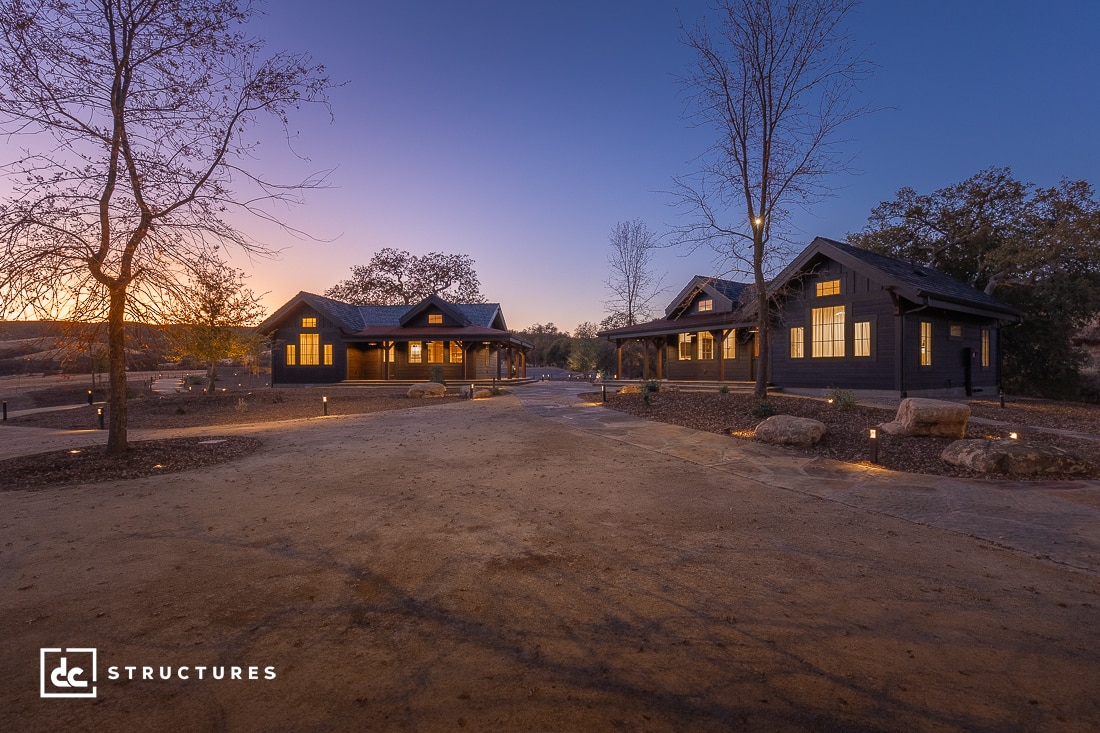
Developers and real estate investors across the country are responding to a growing nationwide need for affordable housing alternatives. Considering the average salary needed to buy a home nowadays is nearly $120,000, many young professionals who are being priced out of houses in their area are turning in droves to condos, townhomes, and apartments that can meet their family planning needs.
This is where multi-family dwellings—like duplexes, triplexes, and fourplexes—come in handy. By investing in these types of structures, you can create a comfortable home for you or your family members while renting out the extra units. Or, you can use the opportunity to begin growing your real estate portfolio!
In any case, we’re here to help you determine the right path for your real estate purchase: will you choose the private oasis, free of shared walls, or a multi-unit development with strong potential for long-term financial gain? Let’s find out what makes the most sense for you and your goals.
Feature
Single-Family Home
Multi-Family Home
Privacy
High: No Shared Walls
Moderate: Shared Walls Between Units
Rental Income
Limited: ADU or Room Rental
Strong Income Potential from Additional Units
Maintenance
Fully the Homeowner’s Responsibility
Shared Across Units but Managed by Owner
Investment Return
Primarily Appreciation
Appreciation + Rental Cash Flow
Best For
Families seeking privacy and space
Investors or Multigenerational Living
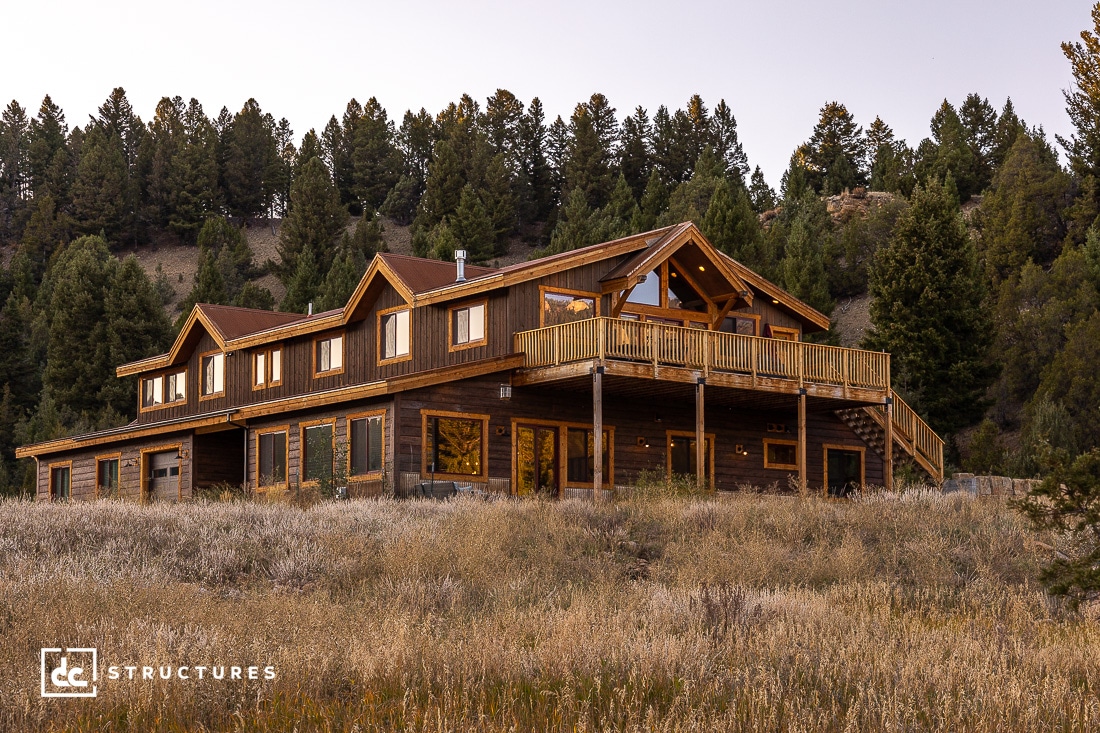
What Makes a Single-Family Home a Great Investment?
Single-family homes are the quintessential American dream. Imagine a beautiful home landscaped to your style in a neighborhood designed for community, outdoor fun for kids, and privacy. That’s the ideal for millions of buyers searching for a home to make their own—for themselves, their family, and anyone they plan on hosting throughout the years.
While pricey in popular real estate markets like Southern and Northern California, Seattle, New York, and Washington D.C., single-family homes offer the ultimate privacy. With no shared walls, spacious backyards you can fill with your favorite plants, and total flexibility for your household, these homes provide a level of independence many buyers value.
Single-family homes are also an ideal fit for large or growing families and are, nine times out of ten, easier to resell in traditional housing markets. Annual home appreciation averages around 3% to 5%, making them a reliable long-term investment.
Not to mention, they often come with enough outdoor space to add an ADU. This makes them a great option for buyers looking to generate passive income through long-term tenancy while still maintaining the privacy of a stand-alone home.
Considerations for Buying a Single-Family Home
Outside of their obvious benefits, single-family homes also come with a few compromises that might not suit the needs of every home buyer.
In exchange for privacy, appreciation potential, and generous outdoor living space, single-family homes often require a significant upfront purchase price. The average down payment for a home in the U.S. is roughly $62,000, or about 16% of the median purchase price. To put that into perspective, that amount is roughly equal to the average national salary, which currently sits slightly higher at $63,795.
For many buyers, a single-family home is simply out of reach financially. Mortgage payments, property taxes, and HOA fees (if applicable) all play a role in your monthly expenses.
That’s not even taking into account that all maintenance costs fall squarely on the shoulders of the homeowner—and those can be expensive depending on the job. For instance, the average cost of installing a new fence typically falls between $6,000 and $9,000, while something more foundational, like a roof replacement, can cost anywhere from $5,800 to $46,000.
If that made you and your bank account say “ouch,” you’re not alone. It’s one of the reasons many buyers are turning toward multi-family units instead—either as renters or buyers—especially as home values continue to climb and many professionals find themselves priced out of traditional single-family investments in their area.
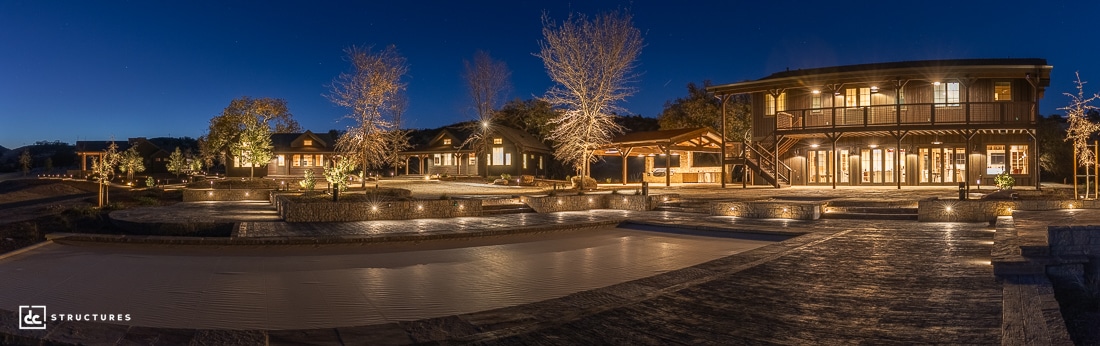
What Makes a Multi-Family Home a Great Investment?
Multi-family homes have been quietly—and sometimes not so quietly—dominating the urban and suburban housing market over the last several years. From duplexes and triplexes to entire condominium and townhouse communities, these structures offer a more affordable alternative to renting or buying single-family homes while sharing many of the same benefits.
For instance, multi-family homes may share walls with neighbors, but they often include two- to three-bedroom floor plans that make them perfect for small families and high-earning professionals alike. Because they typically cost less than single-family homes, they can also come with lower down payments and mortgage payments, making them easier to manage month-to-month.
These homes are not just becoming a beacon of possibility for serious buyers on a budget—they’re also one of the most common rental options for tenants seeking long-term accommodations that meet their financial, family planning, and multigenerational needs.
This makes developing a multi-family dwelling an incredibly compelling investment opportunity in urban and suburban markets throughout the country.
As more professionals turn to alternative housing options for their home purchase or long-term rental selection, multi-family homes can offer significant financial potential for those who can afford the upfront cost.
Whether you’re looking to live in one unit yourself, house aging parents or adult children, or expand your real estate portfolio, investing in a multi-family development can provide long-term financial opportunity while helping address the growing demand for affordable housing.
Considerations for Buying a Multi-Family Home
In today’s housing landscape, multi-family home investments offer relatively few downsides for those willing to take on the role of landlord or developer.
If you’re renting units out, you’ll likely be responsible for managing maintenance costs, finding tenants, and collecting rent each month. However, many investors choose to hire a property management company or financial manager to oversee tenant relations, maintenance scheduling, and rent collection—making the process far more manageable.
Let’s take a hypothetical example. Say you’re planning to build a duplex in Denver, Colorado, and the total cost comes in around $1,100,000—toward the higher end of the average duplex cost in the U.S.
Property taxes might sit around $5,786 annually, homeowner insurance could run between $500 and $700 per month, and your monthly mortgage payment for a 30-year loan might land around $6,500 with a 16% down payment. Taken together, you’re looking at roughly $90,000 per year in ownership costs during the first 30 years, excluding maintenance.
Now consider the average rent in Denver, which sits around $1,955 per month depending on location, square footage, and amenities.
If you rent both units of your duplex for around $2,000 each, that generates roughly $48,000 per year in rental income. That alone could cut your yearly housing costs by more than half compared to purchasing a similarly priced single-family home.
And if you look at larger multi-family properties—such as fourplexes—your potential income could increase significantly.
For buyers focused on rental income and long-term portfolio growth, multi-family properties can often provide stronger financial upside than single-family homes.
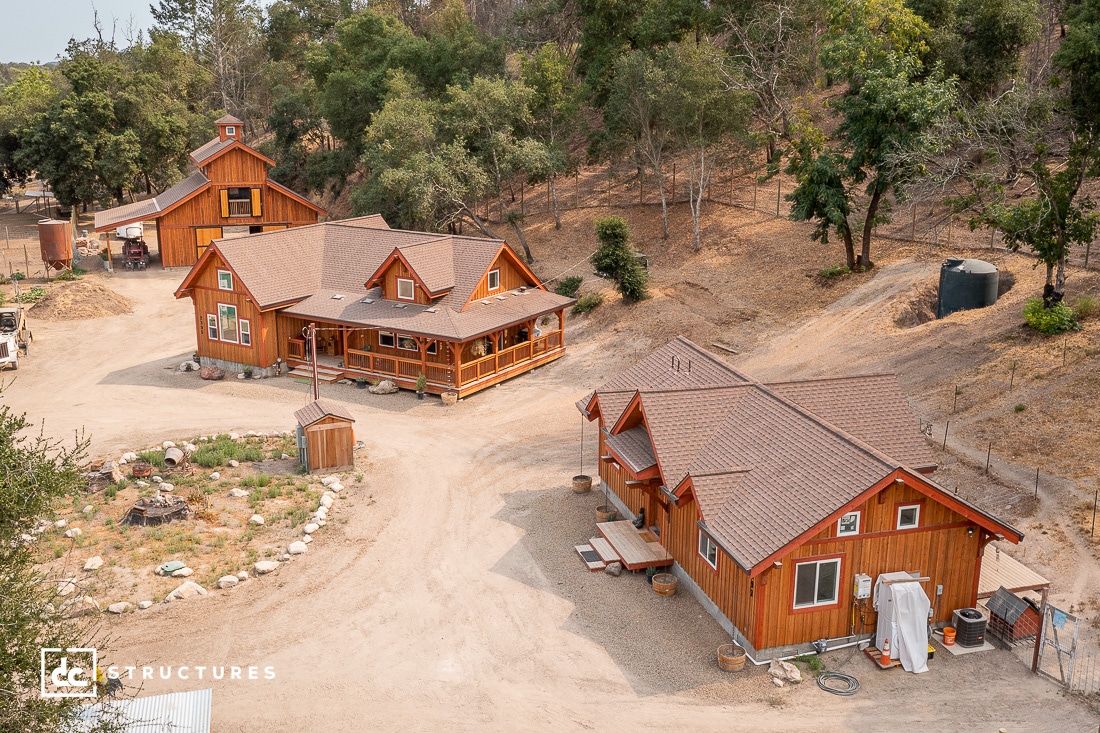
The Verdict
Who Should Buy a Single-Family Home?
If you value absolute privacy—no shared walls with neighbors, no landlord responsibilities, and no tenants nearby—a single-family home may be the right residential investment for you.
Single-family homes can be an incredibly meaningful purchase for high-earning professionals and families of all sizes. They offer room to grow, flexibility for multigenerational living, and the freedom to design your home and property exactly the way you want.
The most common home type in the United States, single-family homes allow you to enjoy your desired square footage, yard space, and lifestyle without compromise.
Plus, homeowners always have the option of renting out a spare room or building an ADU in the backyard to help offset monthly mortgage payments, making this type of investment beneficial for both your family and potential tenants.
Who Should Buy a Multi-Family Home?
If your goal is to build wealth through supplementary income, a multi-family home like a duplex, triplex, or fourplex could be the perfect solution.
Despite shared walls and smaller footprints per unit, these properties are increasingly viewed as some of the most strategic real estate investments available today.
As the need for affordable housing options continues to grow across the country—with little slowdown in sight—multi-family homes built in high-demand regions like Los Angeles, Austin, and Nashville present a strong opportunity for investors.
Beyond the financial upside, multi-family homes also offer practical living solutions. You can live in one unit while renting out the others, provide housing for aging parents or adult children, or create a stable rental option for extended family members.
Making Your Decision
Whatever fits your life, family, and financial goals best, we’re here to support you!
At DC Structures, we’ve designed a wide range of residential buildings for clients across the country, including custom single-family homes and multi-family structures like modern duplexes designed for flexible living and long-term investment.
If you’re ready to explore the next step toward a new single-family home or a multi-family development, give us a call at (888) 975-2057 or request a free quote to start the conversation.