Images

The Ultimate Guide to Camping in Every Season

Summer is rapidly approaching, which means it’s time to break out those dusty shorts you stuffed in the back of your dresser drawers and start planning out your sun-filled camping excursions to some of America’s most beautiful parks. However, not everyone is a fan of summer camping. For those who’d rather brave crisper conditions to skip the crowds, as well as those who prefer summer camping, this guide will hopefully provide much-needed insight on what you’ll need to know before you head out on the road.

Summer Camping Tips

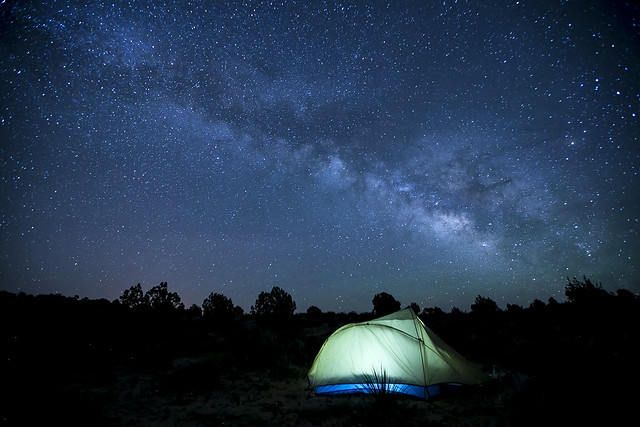
Camping in the Summertime (Photo: Justin Wiegand)

According to the National Park Service, summertime is the most popular season to go camping. With its warm weather and picturesque hiking, it’s not hard to see why tons of people would want to spend their time in the great outdoors. With that being said, it’s a smart idea to reserve your site well in advance, especially if you’re planning on visiting popular national parks like Yellowstone and Zion.

Book Your Trip in Advance

In fact, recreation.gov states on their site that you can make reservations six months in advance for individual sites and 12 months in advance for group sites. Even if you don’t have all the details of your camping trip laid out, you might want to go ahead and book your site as soon as possible to avoid any potential conflicts. You can do so by visiting your state’s parks and recreation page for more information.

Dehydration

Another important aspect to consider is what else heat brings aside from crowds – dehydration, heat-related illnesses, and mosquitoes. While it’s always a good rule of thumb to bring plenty of water when camping, it’s generally recommended to drink 2 liters of water a day, especially in very hot climates. You might want to consider bringing a collapsible water jug, as it takes up less space. If you’re looking for something more durable, a hard-sided jug would be your best bet. This way, you can better prevent heat-related illnesses, such as heat rash and heat exhaustion.

Heat Exhaustion

Kids are typically more susceptible to heat exhaustion. If you do happen to be traveling with kids, be sure to bring extra water to keep them cool and well-hydrated.

Mosquitoes

As far as mosquitoes go, Consumer Reports recently released its list of top-performing insect repellents for 2019. Click here to view the top five repellents, as advertised on Today. For more helpful summer camping tips, be sure to visit Backpacker.com for a comprehensive list of summertime must-knows for any dedicated camper.

ATV & Boat Equipment

Additionally, many campers ride on ATVs or boats while camping, especially in the summer months. This equipment should be properly maintained year around to protect it from the elements, so they’re best kept in the garage while not in use.

Recommended Summer Gear:

  • Insect Repellant
  • Sunscreen
  • 2+ Liters of Water
  • Emergency First Aid Kit
  • Cell phone and back-up charger
  • Air-tight food containers
  • Personal fans, freezer packs, and frozen water bottles
  • Battery-powered fan
  • Light-weighted clothing

Fall Camping Tips

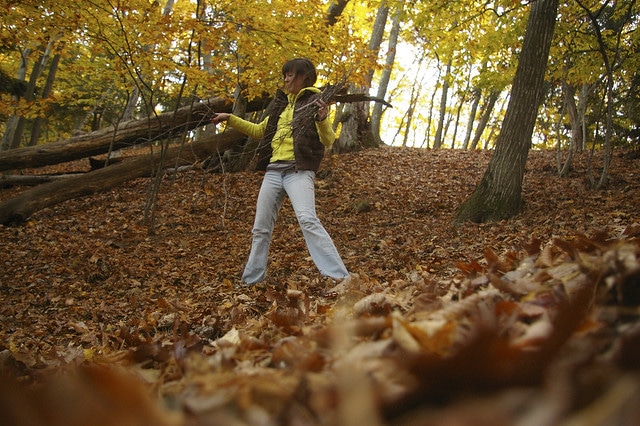
Camping in the Fall (Photo: Alaina Buzas/Flickr)

Fall is arguably one of the best times to go camping for outdoor enthusiasts. Fewer families will be frequenting the camp sites with school back in session, meaning you can enjoy the vibrant autumn foliage without the added frustration of cramped campgrounds. There’s also the possibility of state parks and national forests offering reduced entrance fees after Labor Day. While these are great reasons to go camping in fall, the season also comes with a few downsides.

Fluctuating weather conditions, shorter daylight hours, and mating wildlife are important to take notice of prior to your fall camping trip.

Moody Weather

As the summer season fades away, so does the warm weather. It’s generally recommended to always check the weather forecasts of your specific park before packing, considering it could be 20°F in the morning and 70°F by afternoon in certain places. To be extra prepared for rising and falling temperatures, you should bring a mix of clothing like thermal underwear, fleece jackets, and wind and water-resistant garments. It’s also advised to bring a cold-weather sleeping bag that protects against lower temperatures and sleeping pads for heat retention. You might think about purchasing a three-season tent, especially one with a full rain fly to keep moisture out. 

Shorter Daylight Hours

With daylight savings in full swing, be sure to allow yourself extra time to arrive at the campsite before dark. You should bring a headlamp to ensure you can still perform necessary tasks while navigating your campsite at night.

Wildlife

Since fall is also prime season for wildlife mating, it’s best to leave plenty of space between yourself and animals. Some species can be more aggressive than others as winter approaches, so if you do happen to find yourself wanting a picture of them, Wildnerness.org recommends using a zoom lens as opposed to attempting to get a close-up shot.

Recommended Fall Gear:

  • Headlamp
  • Cold-weather sleeping bag
  • Sleeping pad
  • Three-season tent
  • Water and wind-resistant jacket
  • Plenty of layers
  • Mittens or gloves
  • Flashlight
  • Waterproof matches
  • Emergency first aid supplies
  • Compass or GPS

Winter Camping Tips

Vermilion Cliffs National Monument, Arizona (Photo: Bureau of Land Management/Flickr)

Not everyone is brave enough to camp in frigid climates. For those who are, cold-weather camping gives adventure seekers the opportunity to experience utter solitude in an expansive snowscape, in addition to the added gift of not being bitten to death by bugs. While planning for winter camping can seem daunting, it’s easier to stay comfortable than you may think, according to EcoWatch.

Layer Up

The trick is to layer up! You’ll want to start with a quick-drying base layer like nylon and polyester. Cotton should always be avoided, considering it absorbs moisture and can lose insulating qualities that help with thermoregulation. Next, you’ll want to add a mid-layer, such a lightweight fleece or down jacket. If weather conditions are optimal, this can also count as your outer layer. Finally, the outer layer should be a waterproof shell or insulated puffy jacket that protects you from harsh wind and precipitation. For full body clothing recommendations, check out Appalachian Mountain Club’s full guide on what to wear for winter camping.

Sleep Gear

Just as we discussed the types of sleeping equipment you’ll need for fall, it’s ideal to double up on sleeping bags and pads for winter. You’ll also want to bring a four-season tent, as it’s designed to withstand strong winds and snow accumulation.

Caloric Intake

You’re typically burning about 4,000 – 5,000 calories on a normal winter day. With this in mind, plan to bring plenty of snacks and solid meals to counteract the amount of calories you’ll be burning so you can stay nourished and warm. Increasing your caloric intake can also help to compensate for homeostasis in colder regions. Nols, a nonprofit wilderness school, recommends packing dried items like pasta or freezing burritos ahead of time as great options for winter food items.

Water Resources

Another important tip to remember is that some parks shut off their water during the winter, so you need to be prepared for any inconveniences you might experience. Talk to the ranger at your individual park or campground to help plan your excursion.

Alternatives

If you’re not up for camping but still enjoy the outdoors, having your own cabin is a great way to stay out of the cold while experiencing all the benefits of winter.

Recommended Winter Gear:

  • Two sleeping bags
  • Two sleeping pads
  • Four-season tent
  • Cowboy coffee
  • Lightweight fleece or down jacket
  • Waterproof shell
  • Socks, gloves, and a technical cold-weather hat
  • High-calorie snacks and meals
  • Stainless steel water bottle

Spring Camping Tips

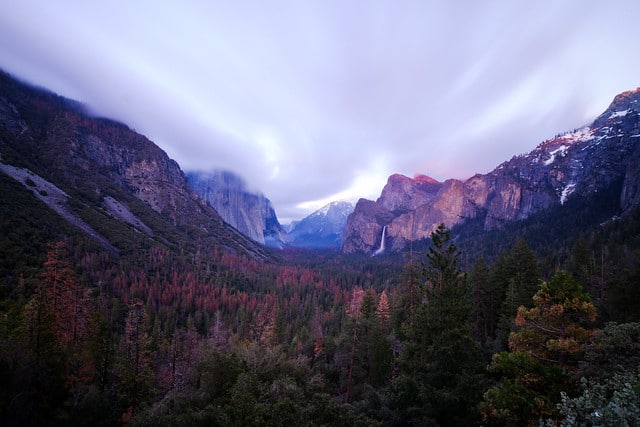
Yosemite Tunnel View (Photo: Roshan Vyas/Flickr)

While spring is the ever-anticipated precursor to summer, that doesn’t mean it’s necessarily safe to skimp on the gear and head straight for the mountains. Springtime weather is notorious for being unpredictable, with sunny skies one day and storms the next. These storms can often bring rain and even substantial snow in northern regions so it’s best to prepare for either depending on your camp site. If you’re planning to take a trip closer to the beginning of spring season, you should check your campground to make sure you have full access to sites and facilities. Some sites have limited facilities so it’s always best to plan ahead in that regard. On the other hand, if you’re hoping to camp near the end of spring season, you might want to book your site in advance since spaces fill up closer to summertime.

Sleep Gear

For sleeping preparations, be sure to pack a cold-weather sleeping bag and sleeping pad in case of 20- to 40-degree weather.

Clothing

While you should pack light, it’s important to bring enough warm, water-resistant clothing. Waterproof shoes and boots are recommended, even if it doesn’t end up raining.

Hypothermia

One little known fact is that hypothermia is often more of an issue in spring than it is in winter. If you’re wearing moisture-absorbing material in wet conditions, you can find yourself easily susceptible to exposure. To protect against hypothermia, pack water-resistant layered clothing and wool socks that dry quickly. It’s advised to check your gear before heading out to ensure there are no holes or tears.

Recommended Spring Gear:

  • Water-resistant clothing
  • All-weather tent
  • Sleeping bag and pad
  • Waterproof shoes and boots
  • Wool socks
  • Plenty of food
  • Sunscreen

This is by no means a comprehensive list of everything you should pack and be aware of prior to leaving for your trip. Be sure to visit your campground or park site in advance to ensure you have all the information needed for an enjoyable, well-planned time. You can also visit Backpacker and GearJunkie for more helpful camping tips.

Happy camping!

Apartment Barn Kits For Family & Financial Gain

The way Americans view their living spaces has been upended by the recent explosion of the shared economy. This trend–exacerbated by the fact that nearly 30% of American adults ages 18-34 stay with their parents–has given rise to an entirely new definition of a roommate. Formerly dormant bedrooms and living spaces can be transformed into lucrative endeavors, for those bold enough to forego privacy for profit. New, hybrid buildings are constructed every day to reflect patterns of flexible, small-scale living.

Click here to watch our Apartment Barns Reel on our YouTube page!

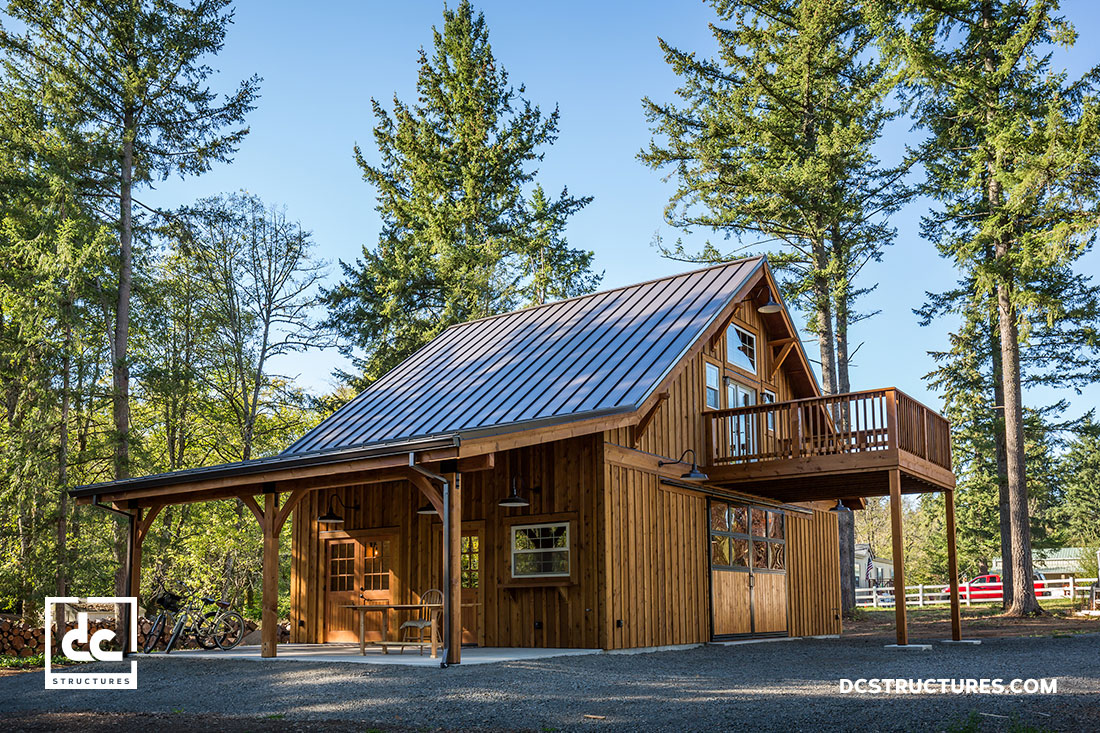
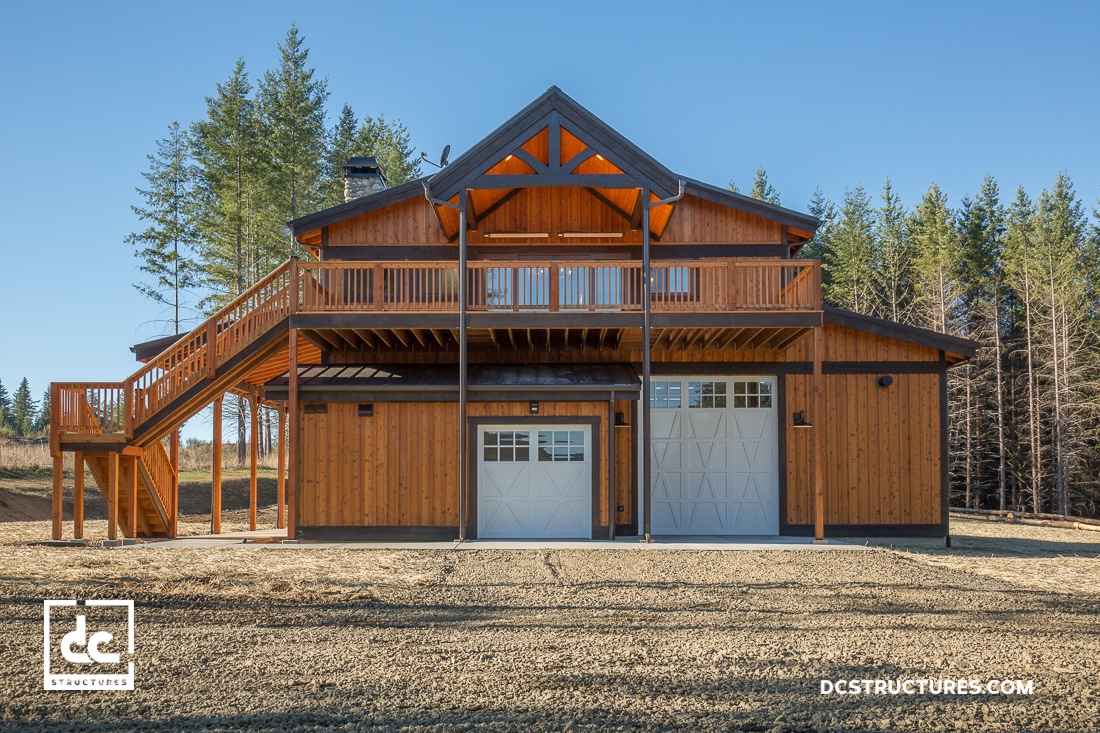
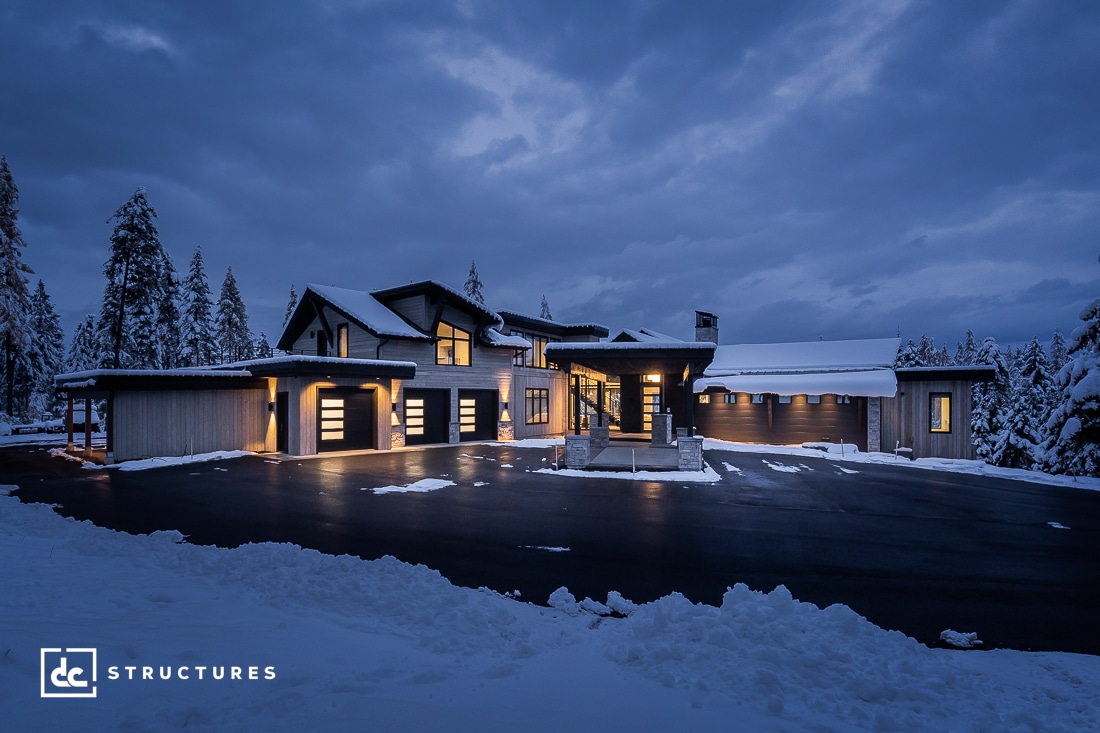
Thankfully, the team at DC Structures has evolved in lock-step alongside these recent developments, with the growth of our apartment barn kit product line. While the idea of a bespoke living space above a garage was once an upper-class luxury, we here in the Pacific Northwest have designed and built these gorgeous and affordable structures nationwide for over 15 years. Chances are, we have a project in your neck of the woods. Check out our gallery to see what we can create for you and your family.

If you were considering a new garage or mixed-use building for storage, take advantage of our trusted team of project specialists and designers and consider an apartment barn for your property with living space above for extra income or the occasional visitor. You could even be so generous as to host a lingering son or daughter, or use it yourself to finally carve out that special space for your hobby or workshop.

At DC Structures, we won’t just send you your materials package and head for the garage door – we are partners for the duration of your project long after completion. We know that by using our sturdy post-and-beam style of construction, combined with a durable mix of cedar and Douglas fir materials, your garage with living quarters kit will be built to last.

Let us help you create a heavy-timber style apartment garage built for the 21st century. We’ll share the expertise; how you use your structure is up to you. From shared living space designs for paying guests, to stunning wraparound decks and exterior staircases that overlook your property, DC has the versatility and experience to handle the most ambitious of projects.

For a simple overview of our design and procurement process, visit our process page.

Oregon’s Old Mill District

The Old Mill District in Bend, Oregon draws thousands of visitors a year from all around the world. Shops, art galleries, and music venues now occupy what was once home to the two largest sawmills in the world.

The Shevlin-Hixon Lumber Company established a mill in 1916 on the Deschutes River’s west bank, with another mill built by the Books-Scanlon Lumber Company on its east bank shortly after.

This mill confederate dominated Bend’s economy for 78 years. At one point, the companies were two of the largest pine sawmills in the world, operating around the clock with more than 2,000 workers producing 500 million board feet of lumber a year. 

Bend’s population leaped from 536 in 1910 to 5,414 in 1920. By 1930 the city’s population was 8,821. Twenty years of heavy logging created massive deficits in the surrounding forests. Up to 200,000 acres were cut down indiscriminately. The Bend Chamber of Commerce addressed this issue with the mills, but these warnings fell on deaf ears, eventually leading to official closures in 1983.

Balanced harvesting practices have drastically altered timber framing. Deforestation nearly destroyed the concept. Old growth in Northwestern coniferous forests are iconic natural attractions. Enjoying the great outdoors is something every builder, designer and sales associate values here at DC Builders. You don’t need to be from the Northwest to understand this. That’s why we provide kits that emulate these ideals, along with sustainable practices.  

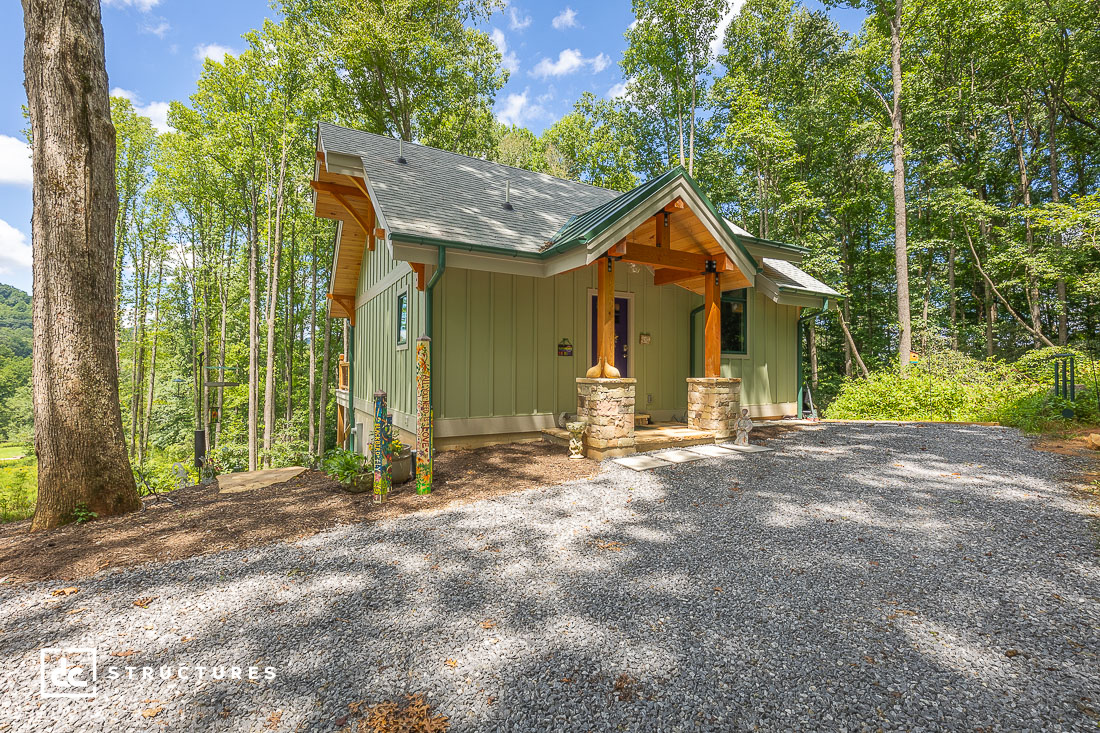
The Deschutes cabin was named for the very river which the Old Mill District sits on. It emblematically represents the balance between progress and sustainability because respect is an inherent virtue above all else. The 776 sq. ft. floor plan gives you an opportunity to haul more manageable pre-engineered components anywhere a 4×4 can go.


Stillwater: The Perfect Small Barn Home Kit

The Stillwater is a small barn home kit that’s based on a custom structure we designed for satisfied clients in Oklahoma. DC’s designers created a typical modern-style small barn home kit configuration with a lofted bedroom hovering gracefully above a spacious open living area. A straightforward floor plan like this, requires very little thought as you move through its design and building phase.

A sturdy post and beam sub-floor complements a parallel chord roof truss, creating a dynamic open living space. The window wall in this small barn home kit brings generous amounts of light, where every square inch is basked liberally. Double-pane windows provided by Andersen cancel unwanted noise, without compromising insulation.

The vaulted ceiling stands at an impressive 25 ft. high, commanding a triumphant presence on any property, no matter how small the structure. This modern small barn house kit’s lofted bedroom occupies the space above in perfect volume. You won’t find a cozier night away from the hustle and bustle.

This kit also features two dozen high-quality doors. The combination of cedar and Douglas fir is a prime coalescence between excellent hand craftsmanship and intuitive design. You won’t find a more approachable barn home kit like the Stillwater. However, we won’t be bashful to say you should give it a try!

In fact, this makes transporting the pre-engineered materials package a breeze, thanks to the Stillwater’s minimalist floor plan. No other barn home kit in the DC arsenal offers a more seamless blend between convenience and durability.

Looking have a kit built ASAP? Check out these simplified living plans that offer an array of big ideas for small living.

Post and Beam Kits Made Easy

The 2008 financial crash necessitated unsettling change amongst many businesses across the country. When we came up with DC Structures, we wanted to accentuate an approachable and comprehensive process inherently featured in post-and-beam kits, without sacrificing aesthetics and high quality.  

The process most kit companies put people through can be a nightmare. Most will simply drop off your pre-engineered components without so much as a follow-up email. Every step in the DC process has been carefully and methodically thought out to avoid any inconsistencies.

One key tool provided by our team are 3D isometric design instructions. These are unique in that many companies don’t provide them to their clients because it’s viewed as an unnecessary feature.

Too often builders assume clients cannot grasp the construction process behind their own structure. We think this is disingenuous. Everyone should have the material needed to build their own structure—even if it’s just a gesture.

What’s novel about these instructions are their accessibility, made specifically to be interpreted by anyone. Each page incorporates detailed illustrations surrounded by precise measurements, access points for joinery and scheduling for parts.

Everything from the knife plates down to nail placement, are accentuated in effortless detail, and organized chronologically like any other technical manual. Offering 3D isometric instructions provides even the most amateur of builders a pathway to success.